Design Process
Discover
Secondary research
Brief refinement
Concept development
Technical drawings
Digital interface & user flow
Fixture design
Final Design solution
Implementation
Primary research
Scope of improvement
Define
Ideate
Develop
Deliver

A zero-waste edible oil dispensing system for the modern Indian supermarket
Project Overview
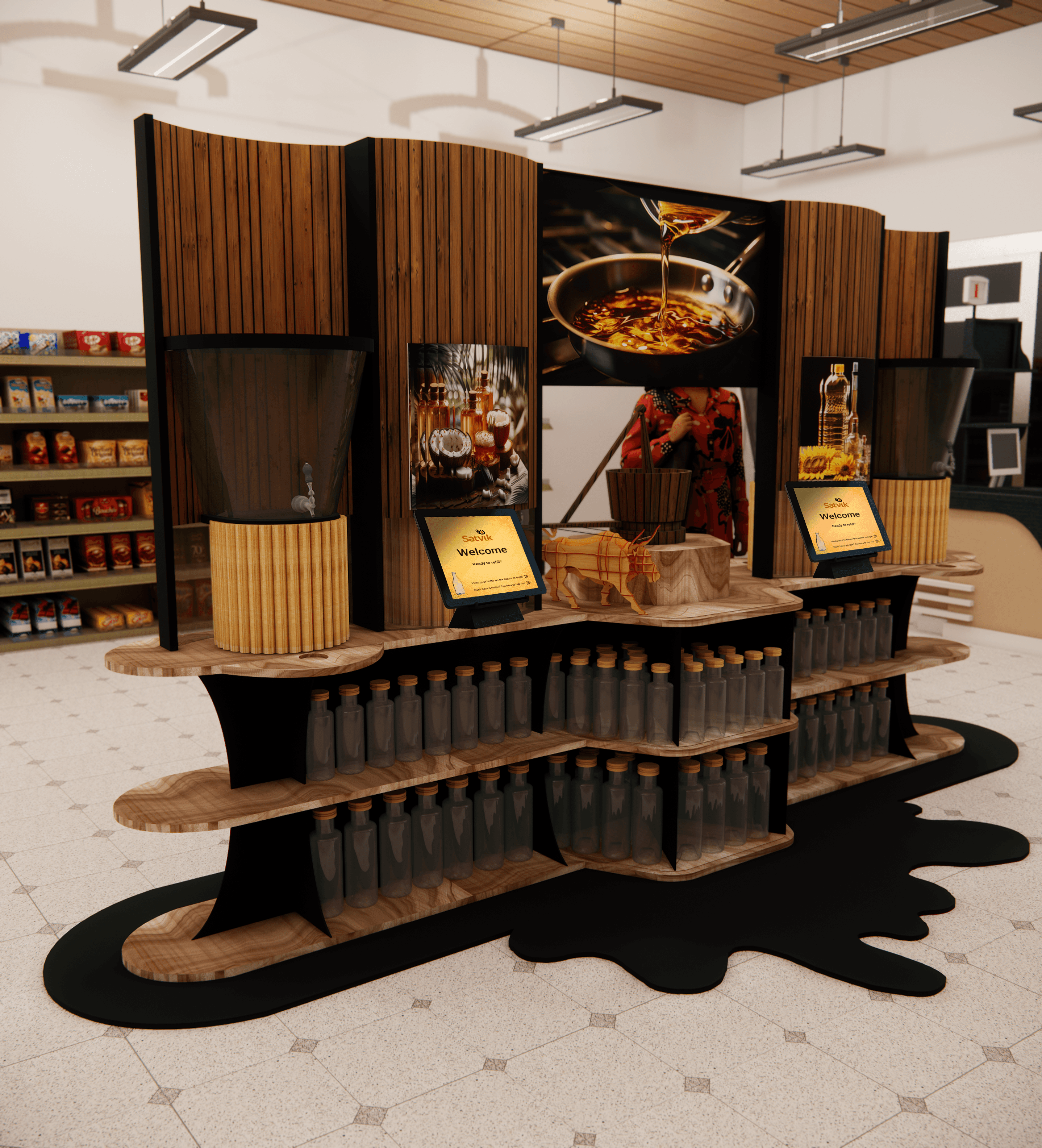
This project combats single-use plastic waste in the edible oil industry by introducing the 'Eco-Refill' station, a sustainable and sanitary in-store alternative. It creates a seamless experience for new and recurring users by directing them through a simple, self-service interface for scanning, paying, and dispensing. The station's main innovation, an active temperature control technology, fosters consumer trust by maintaining consistent product quality and consistently dispensing heavy oils such as coconut oil.
Key Problem
The Indian market is forced to choose between affordability/hygiene (pouches) and environmental sustainability. We are trading massive plastic waste for consumer trust.
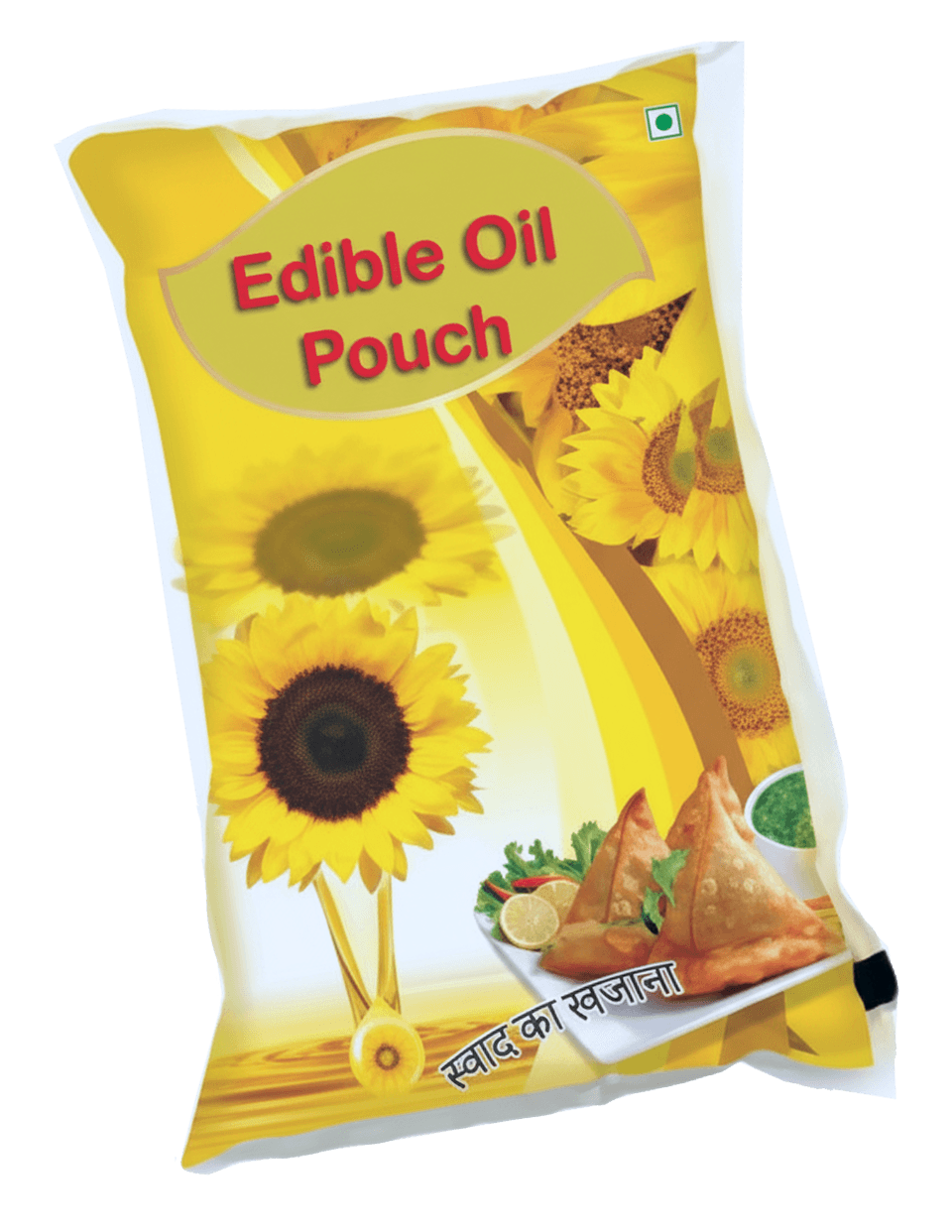
Did you realize it ?
Edible oil is a non-negotiable staple in 99% of Indian kitchens.
Many middle-class families, particularly in urban areas, purchase oil in small, frequent quantities (like 250ml or 500ml pouches).
This isn't due to a lack of options, it's a deliberate choice based on budgeting (weekly/daily shopping habits), storage (smaller kitchens), and freshness.

Purpose & Vision
To reducing single-use plastic waste
Lowering packaging & transportation cost
Promoting sustainable shopping habits
Creating a positive brand image
Offering a unique shopping experience
Supporting local farmers & producers

An effortless path.....
The Trust Signal....
Smart Spending, Big Value.
Analysis of User Behavior in the Indian Context
The combination of a Simple Screens & a QR Scan makes the entire process incredibly simple. A complicated new system is not required to be learned by the user. The steps are as simple as "Place the bottle, tap the quantity, scan, pay & fill." This minimal barrier to entry is really important for encouraging people to try it for the first time.
Hygiene is crucial for every food products. A disordered or greasy machine is instantly regarded as "impure" or "tampered with, hence our attributes directly convey cleanliness. The Drip Tray and Non-Spill Nozzle ensure a tidy machine front, guaranteeing the user that the system is both professional and secure. The notion of "purity" is further strengthened by the Active Temperature System, which depicts oils such as coconut as a transparent, fresh liquid instead of an unattractive, opaque solid mass.
Indian customers are highly value-conscious, possibly among the most discerning in the world. To compete in this market, you must strike the right mix between providing modern, premium experiences and ensuring that every purchase feels truly "paisa vasool" , worth every rupee. It's a tricky balance between aspiration and affordability.
The dispenser mechanism is specifically built for this sweet spot. It captures the heart with a clean, elegant, and engaging display that appears effortless. But, most importantly, it captures the imagination with an inexpensive price.
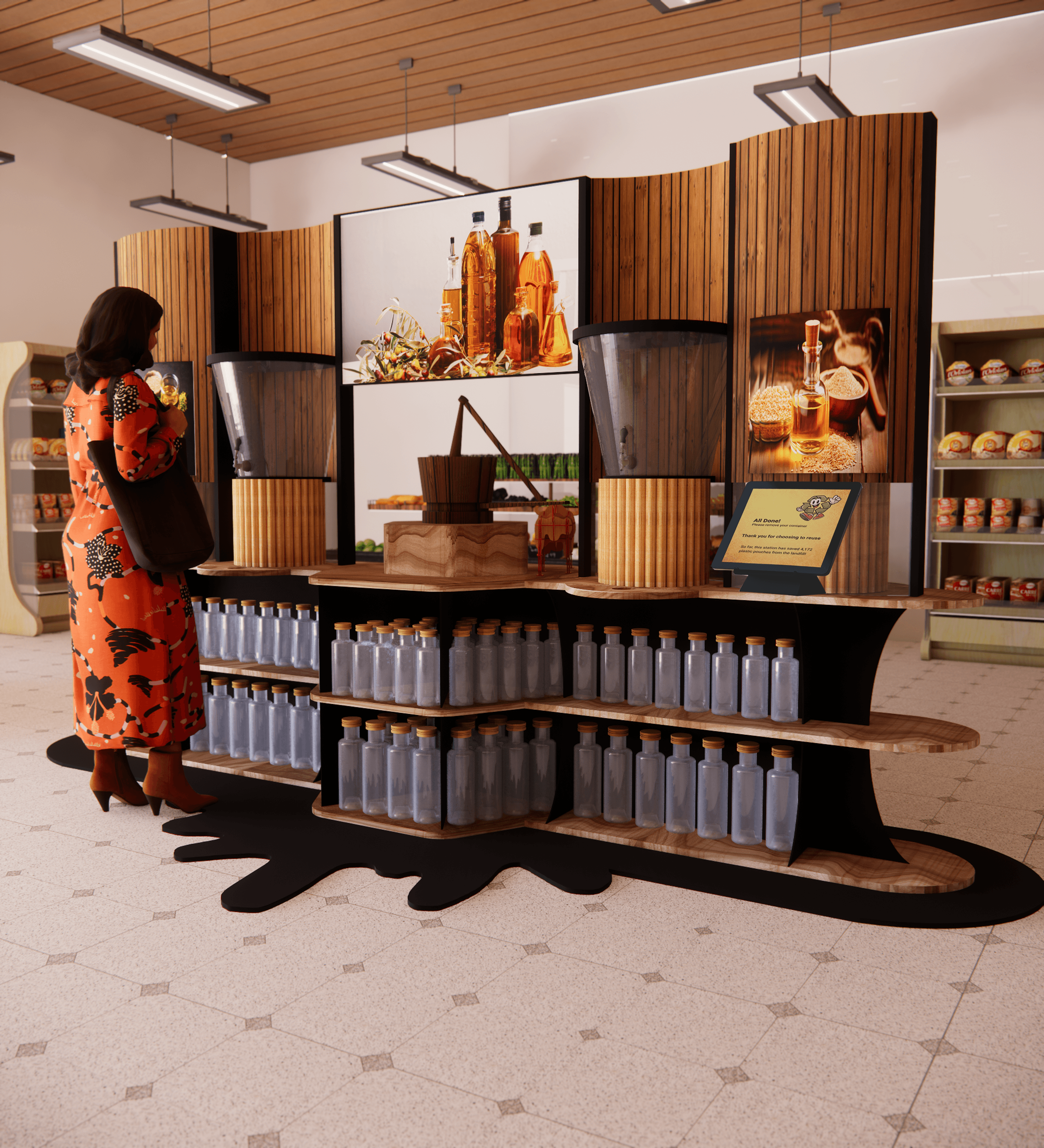
How to Use (The “Refill “ Brief)
To begin, first-time users purchase a reusable glass bottle from the station. Returning customers can then bring that same bottle back, place it on the sensor, and start the refilling process. If a customer forgets their bottle, they can simply buy a new one at the station to continue.
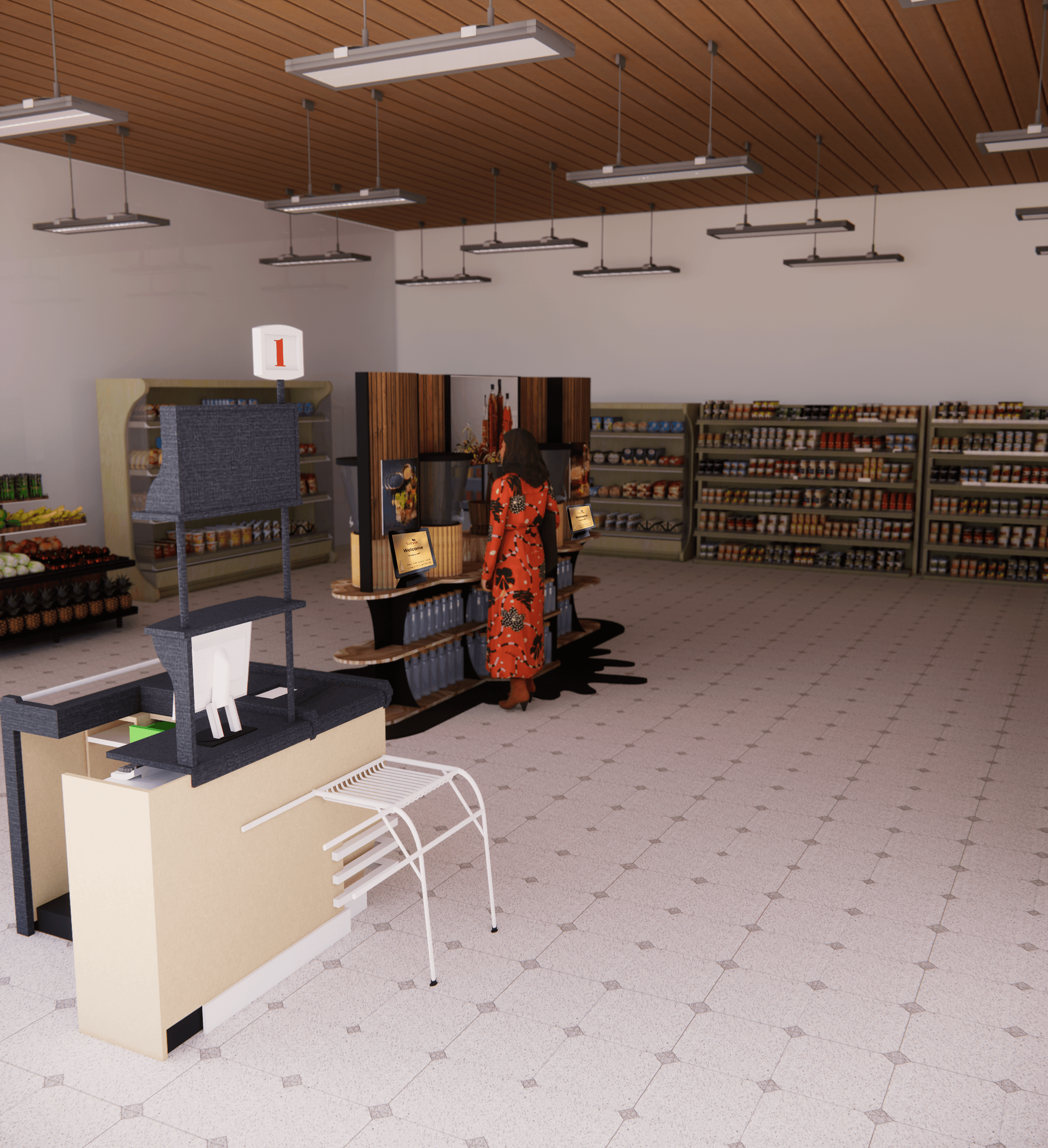
Impact of the Design
Directly combats single-use plastic by replacing disposable bottles with a durable, reusable glass system.
Creates a positive, eco-friendly shopping experience that builds customer loyalty and trust through quality-assurance features like temperature control.
Establishes the retail space as a leader in sustainability, attracting environmentally-conscious consumers and reducing costs associated with packaging and waste.
Key Takeaways
I learned that a successful product relies on the synergy between its physical and digital design. This integration is what makes a user-friendly output possible. The hardware (like the temperature-controlled nozzle) provides a tangible, real-world benefit, while the software (the 'quality' message on the UI) communicates that benefit, making the invisible technology visible and valuable to the user.
Discovered how critical it is to design a clean "on-boarding" path (buying a bottle) for new users, ensuring they don't get confused and give up.
The research into coconut oil's solidification point was a key learning. It proved that a technical problem (clogging) must be solved to deliver a simple, reliable user experience.
Target audience

Individuals or families focused on well-being and preventative health
Health conscious shoppers
Profile Demography:
Age: 27-50 years
Income: Mid to High, willing to pay more for quality.
Buying Behavior:
Reads labels meticulously for nutritional content
Prefers cold-pressed, organic, unrefined oils.
Buys smaller quantities to maintain freshness.

Customer Journey Mapping:
Pre-Visit Emotions:
Cautious, determined to make a healthy choice.

During Engagement:
Scrutinizes labels, compares brands based on health metrics, seeks information.
Post-Engagement:
Confident in their healthy purchase, satisfied with their informed decision.


Pain Points:
Limited variety of truly healthy options.
High price points for premium healthy oils.
Elements Engaged With:
Organic food sections, health food aisles.
Staff who can answer specific health questions.

Single or couples, living in urban areas, busy lifestyles
Young Urban Professionals
Profile Demography:
Age: 25-40 years
Income: Mid to High, value convenience and trendiness.
Buying Behavior:
Prefers convenient packaging sizes.
May cook less frequently but value quality ingredients when they do.
Customer Journey Mapping:
Pre-Visit Emotions:
Open-minded, seeking inspiration, a bit rushed.
During Engagement:
Browses aesthetically pleasing options, considers new trends, looks for quick decisions.
Post-Engagement:
Satisfied with a stylish and functional purchase, ready to experiment.

Pain Points:
Overwhelming choices, lack of clear differentiation.
Bulky packaging not suited for smaller households.
Elements Engaged With:
Gourmet food sections, international aisles.
Appealing visual displays.
Digital information (QR codes) for recipes.

Individuals or families on a tight budget
Cost - Sensitive Consumers
Profile Demography:
Age: All ages
Income: Low to Mid
Buying Behavior:
Prioritizes price per volume above all else.
Buys large quantities when on sale or in bulk.
Sticks to well-known, affordable brands.
Customer Journey Mapping:
Pre-Visit Emotions:
Anxious about budget, focused on value.

During Engagement:
Directly compares prices, checks for promotions, often heads straight for the known cheap options.
Post-Engagement:
Relieved to have found an affordable option, satisfied with the saving.

Pain Points:
High cost of essential items.
Limited options for affordable, healthy oils.
Running out of oil before the next paycheck.
Elements Engaged With:
Sale aisles, bulk sections.
Large packaging sizes.
Advertisements showcasing low prices.

Large families, or individuals who cook frequently for many, or small businesses
Bulk Buyers & Families
Profile Demography:
Age: 30-60 year
Income: Mid
Buying Behavior:
Buys the largest available sizes to minimize frequent trips and save money.
Focuses on practical, versatile oils suitable for everyday cooking.
Brand loyal if the brand offers consistent quality and good value in bulk.
Customer Journey Mapping:
Pre-Visit Emotions:
Practical, focused on stocking up efficiently.
During Engagement:
Heads directly to the bulk aisle, checks unit price, grabs familiar large containers.
Post-Engagement:
Satisfied with a practical purchase, feeling prepared for household needs.
Pain Points:
High cost of essential items.
Limited options for affordable, healthy oils.
Running out of oil before the next paycheck.
Elements Engaged With:
Sale aisles, bulk sections.
Large packaging sizes.
Advertisements showcasing low prices.
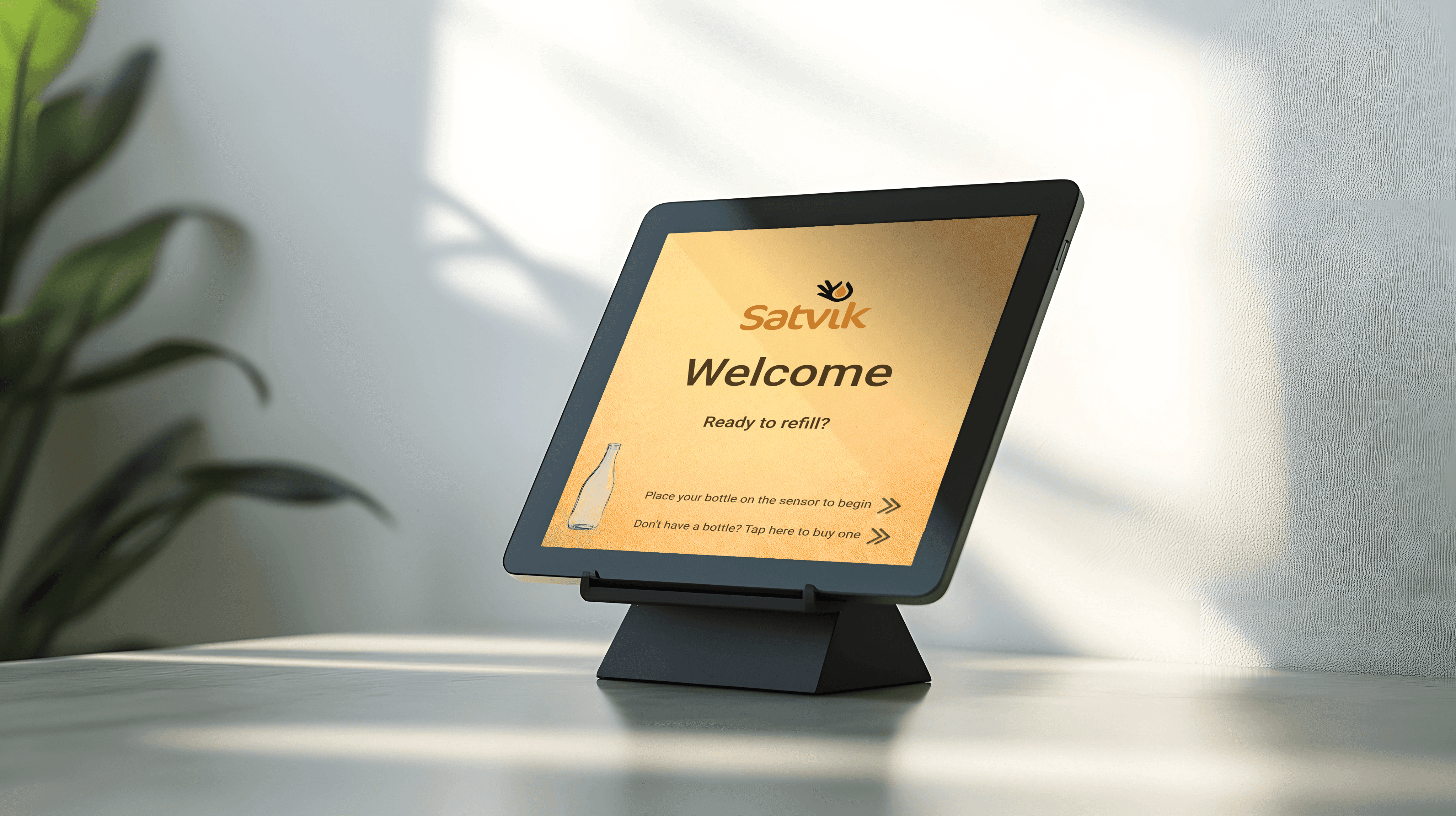
Welcome screen
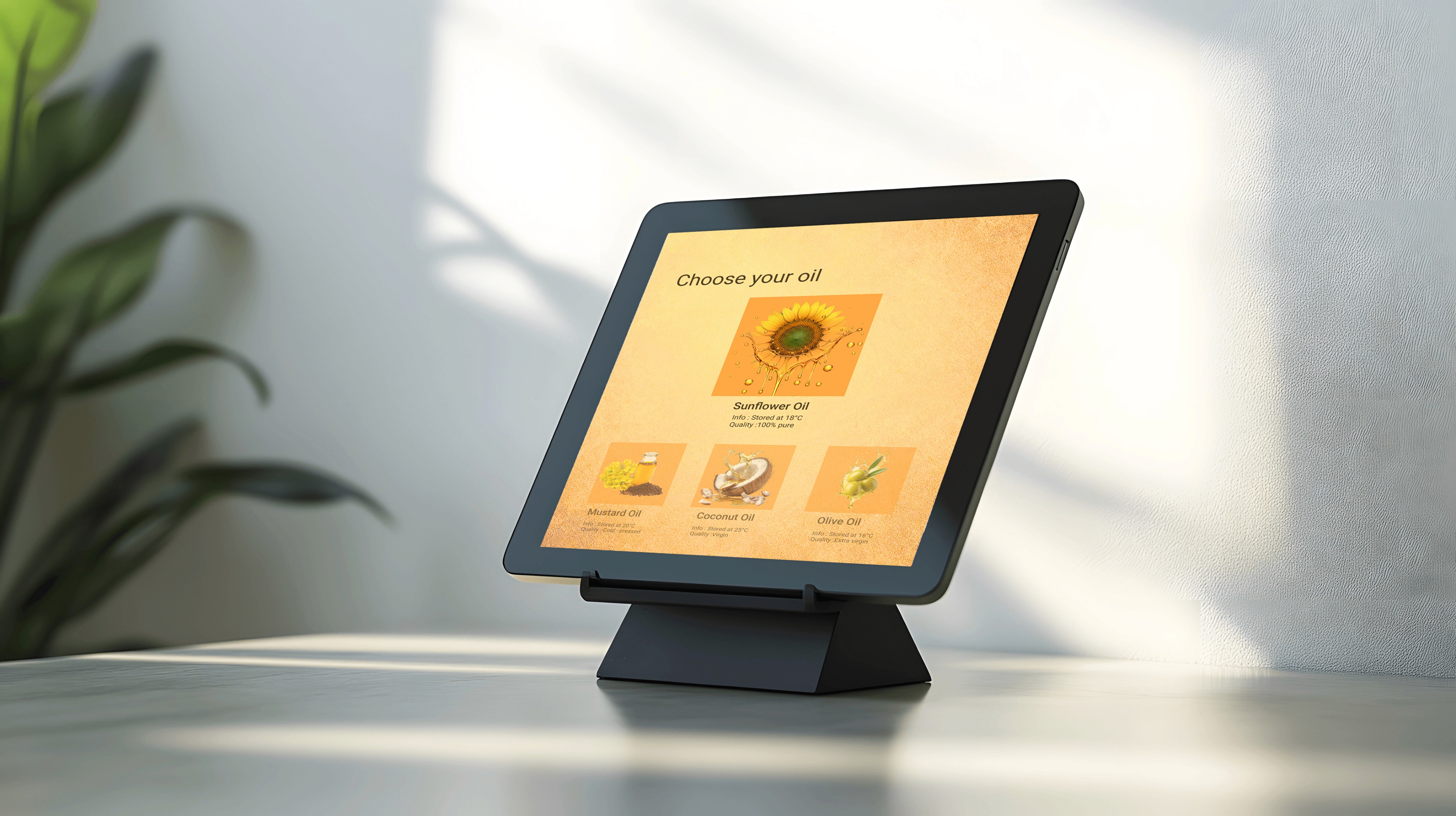
Oil selection


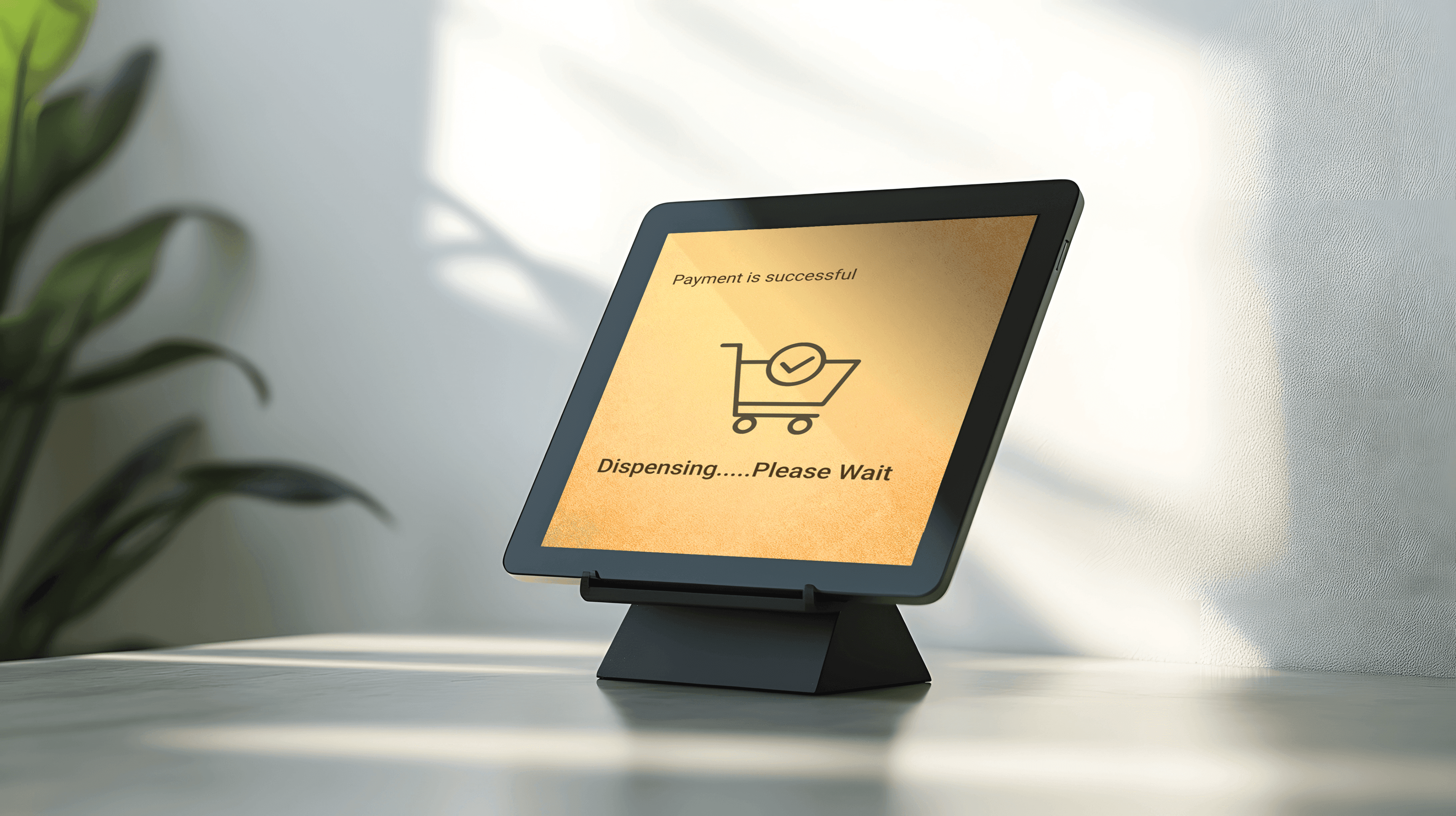
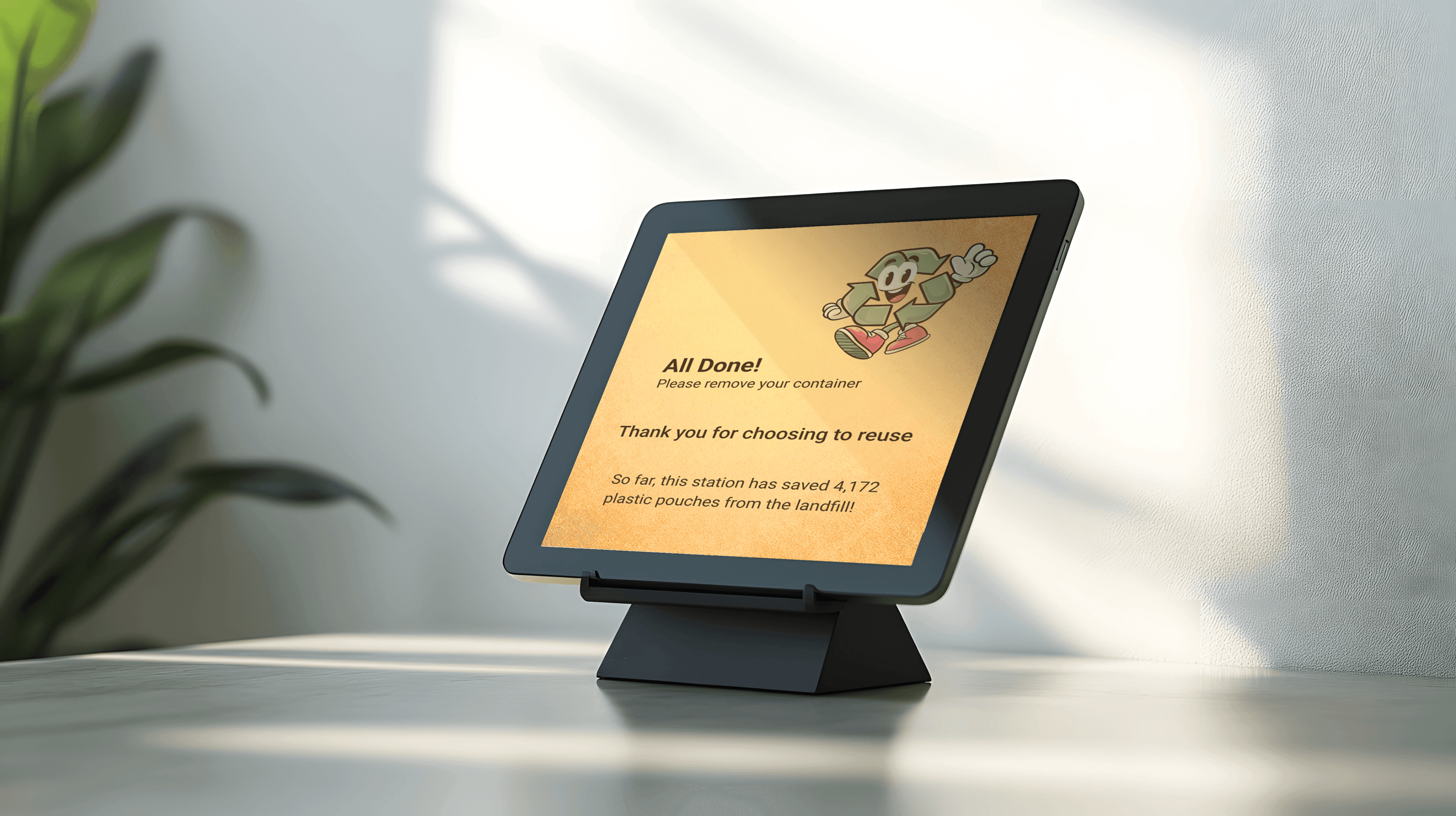
Payment & Confirmation
Dispensing
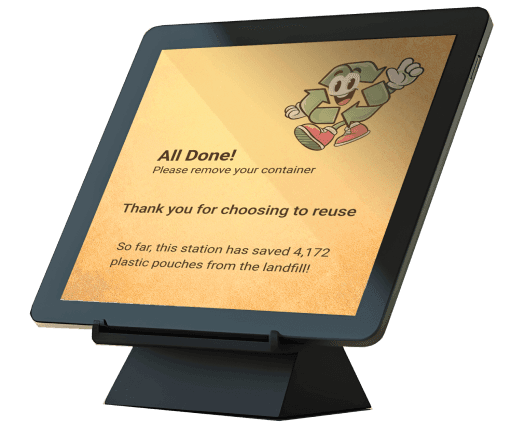
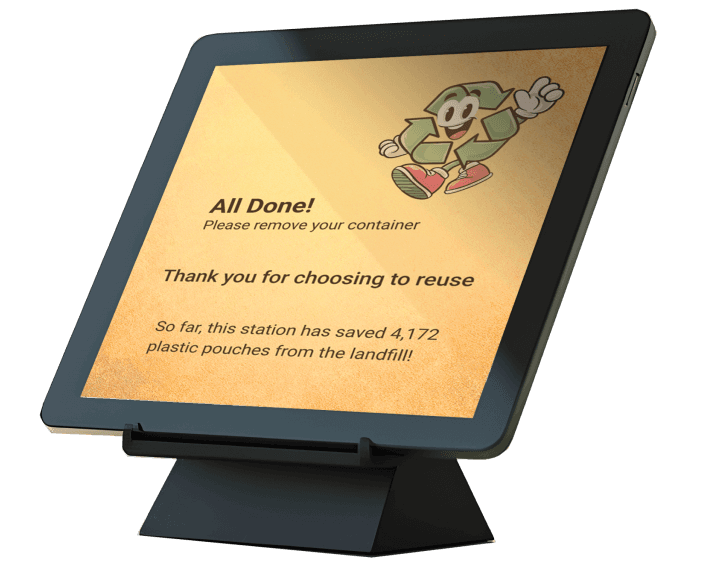
Completion
Quantity selection

Retailer Insights
Logistical challenges of implementing an oil dispensary fixture
Space Allocation:
The dispensary must be placed in a high-traffic, easily accessible area, but not so close to high-risk spill areas
Maintenance and Cleaning:
Oil spills can create slip hazards, requiring frequent monitoring and cleanup.
Stock Management:
Oil dispensers need to be refilled regularly to avoid running out of stock. This requires additional logistical coordination to ensure that bulk oil is stored and replenished efficiently.
Convenience:
Installing high-quality oil dispensers involves upfront costs for purchasing or renting the dispensary systems
Site Visit
Customers experience
Testers
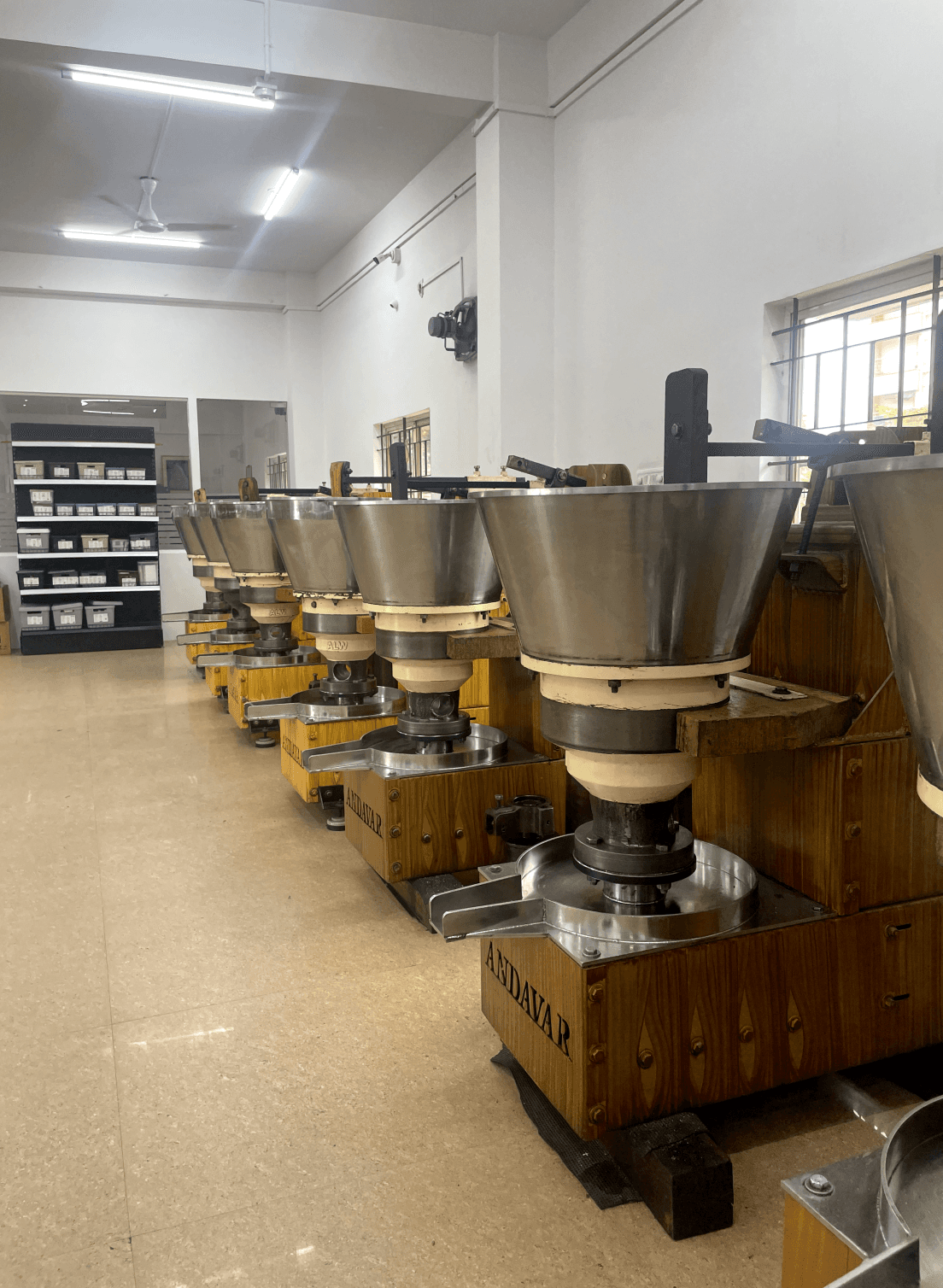
Experience the live process of organic cold-pressing
After observing the process and ensuring the customer’s full satisfaction with the oil’s freshness and purity, the retailer fills the bottles.
Evaluate the quality and freshness firsthand
Can enjoy the fresh aroma
Enhancing their confidence in the product’s quality
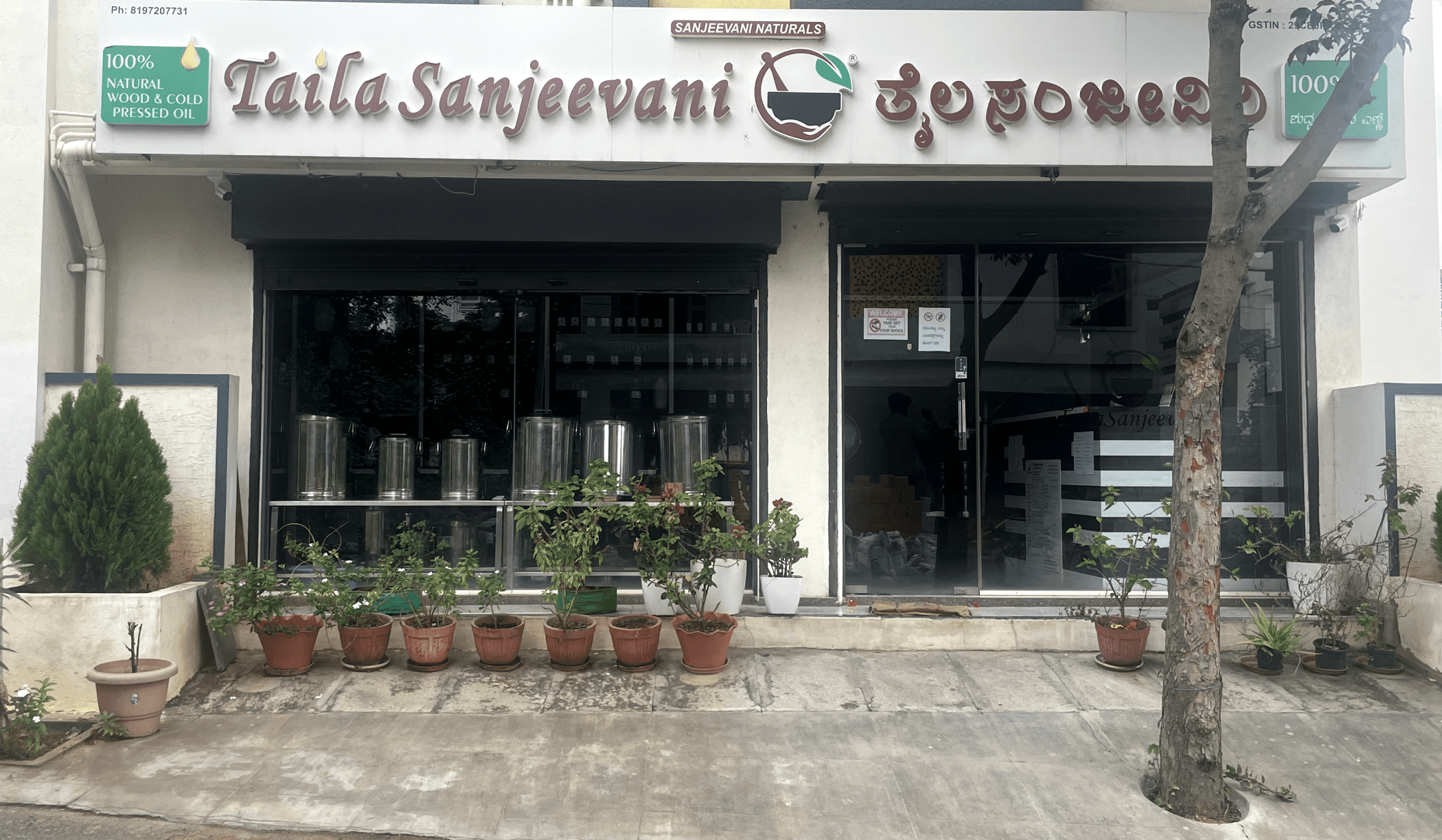
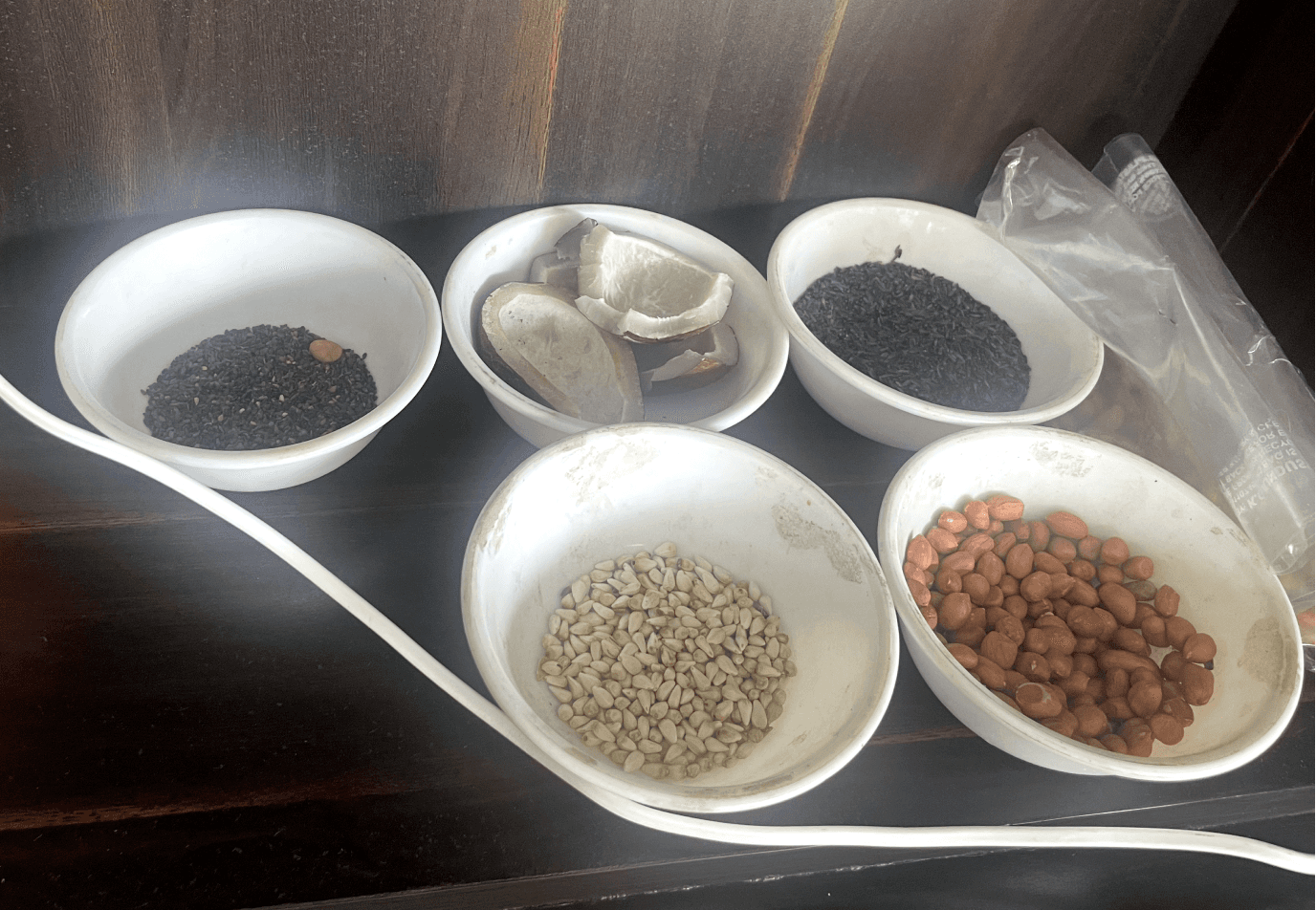
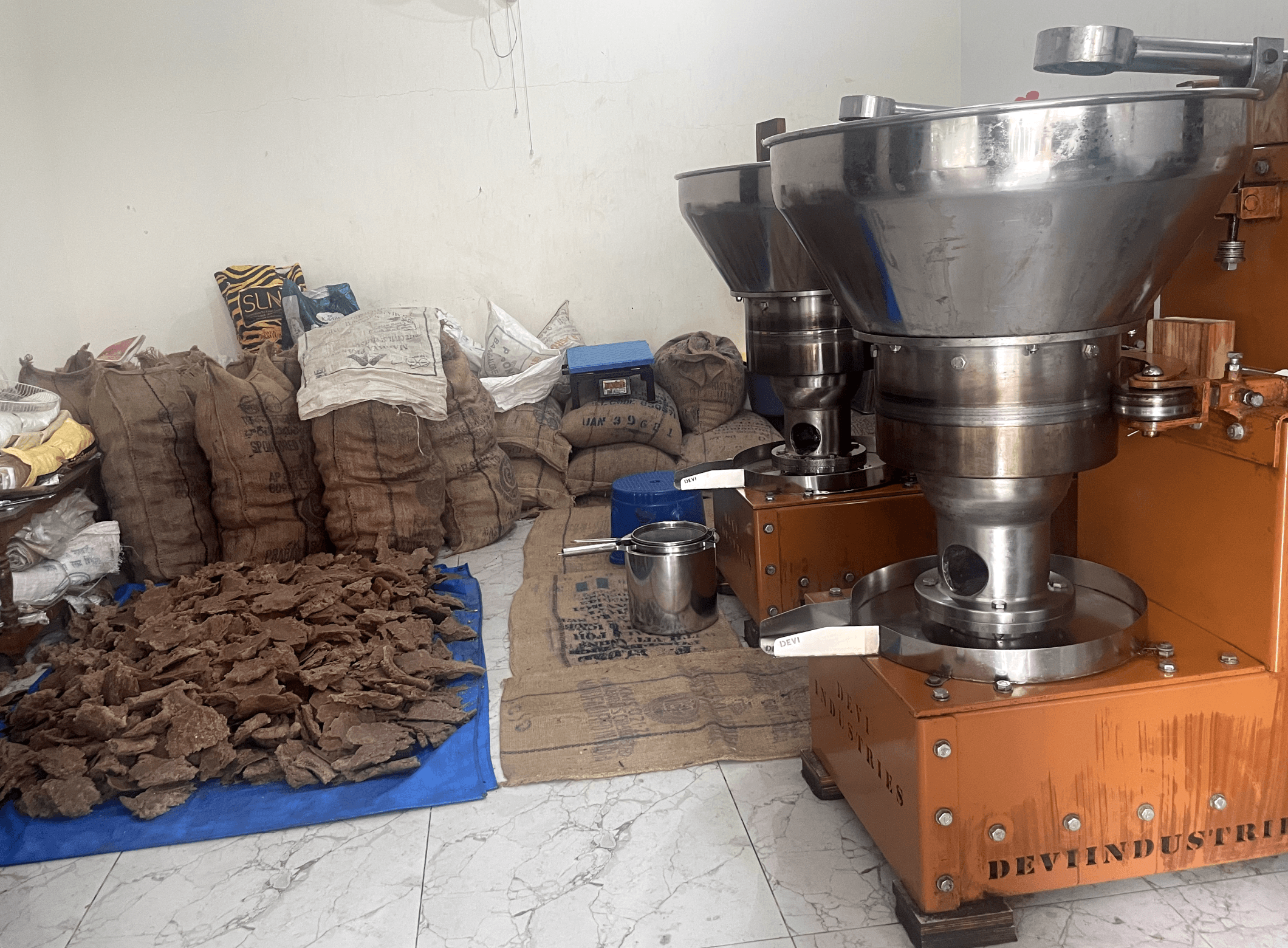
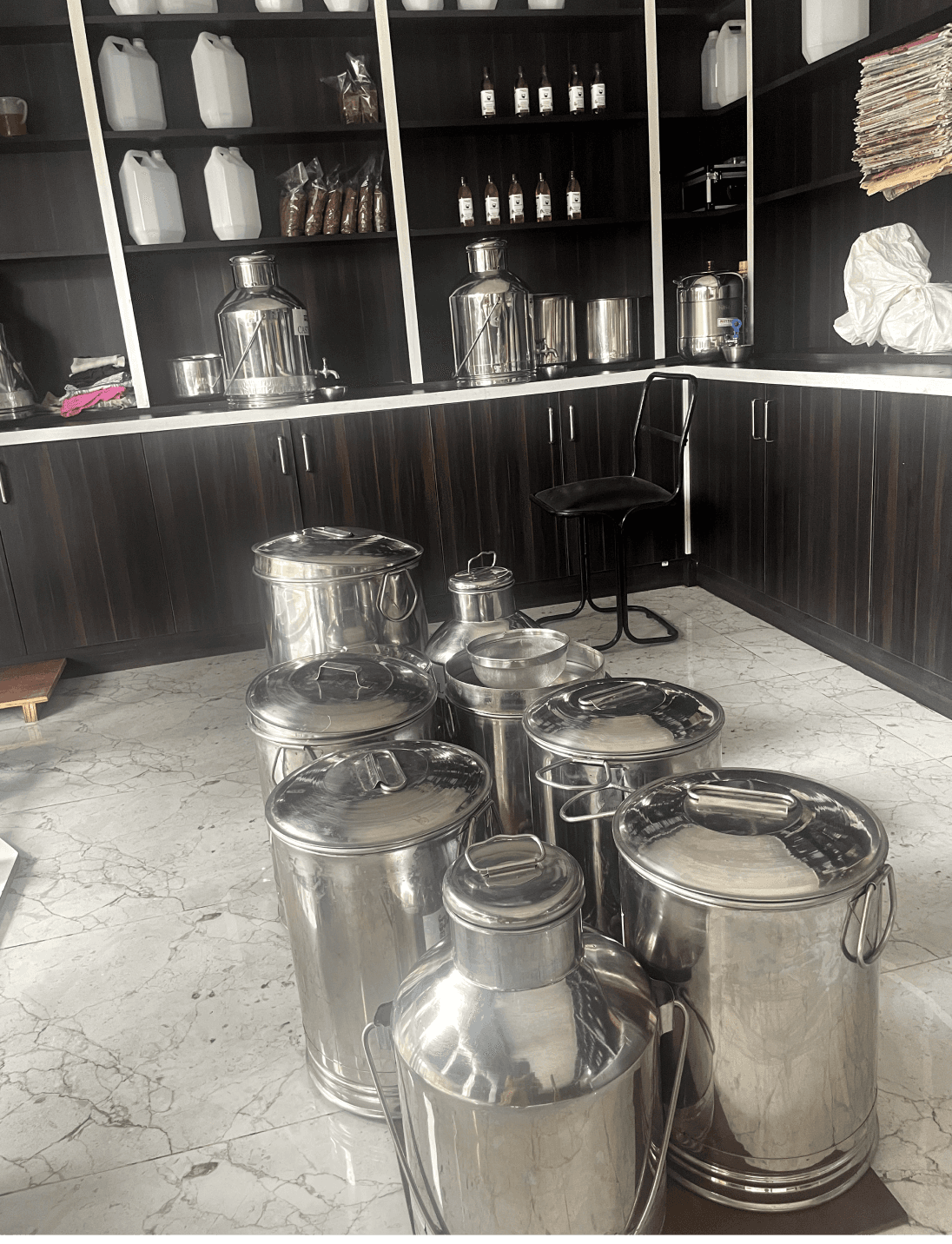
Taila Sanjeevani Oil, Uttarahalli, Bengaluru
Visual experience
Oil filled in glass jars is displayed in the window
The containers are positioned without considering human ergonomics
Customer have to wait for a long to get the oil
Pro Roots, Subramanyapura, Bengaluru
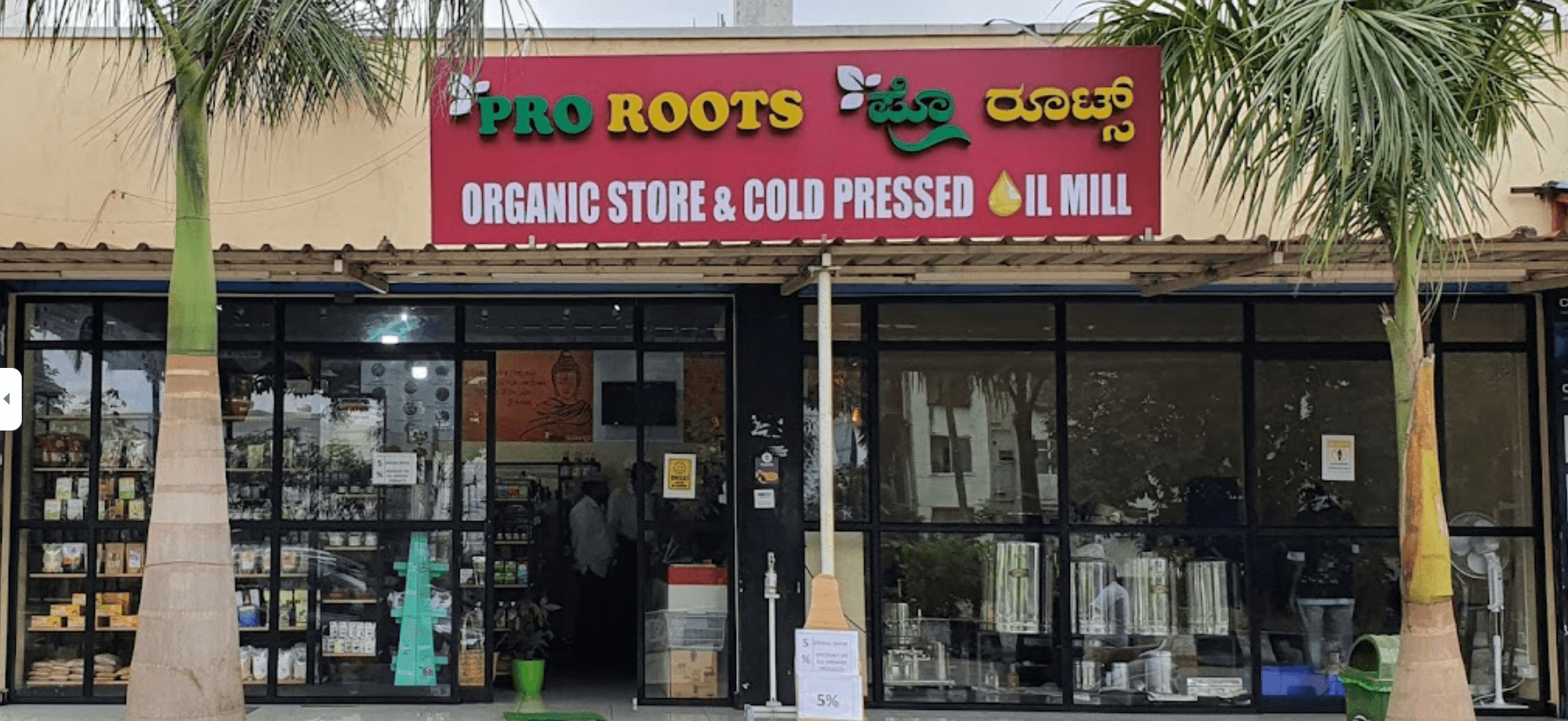
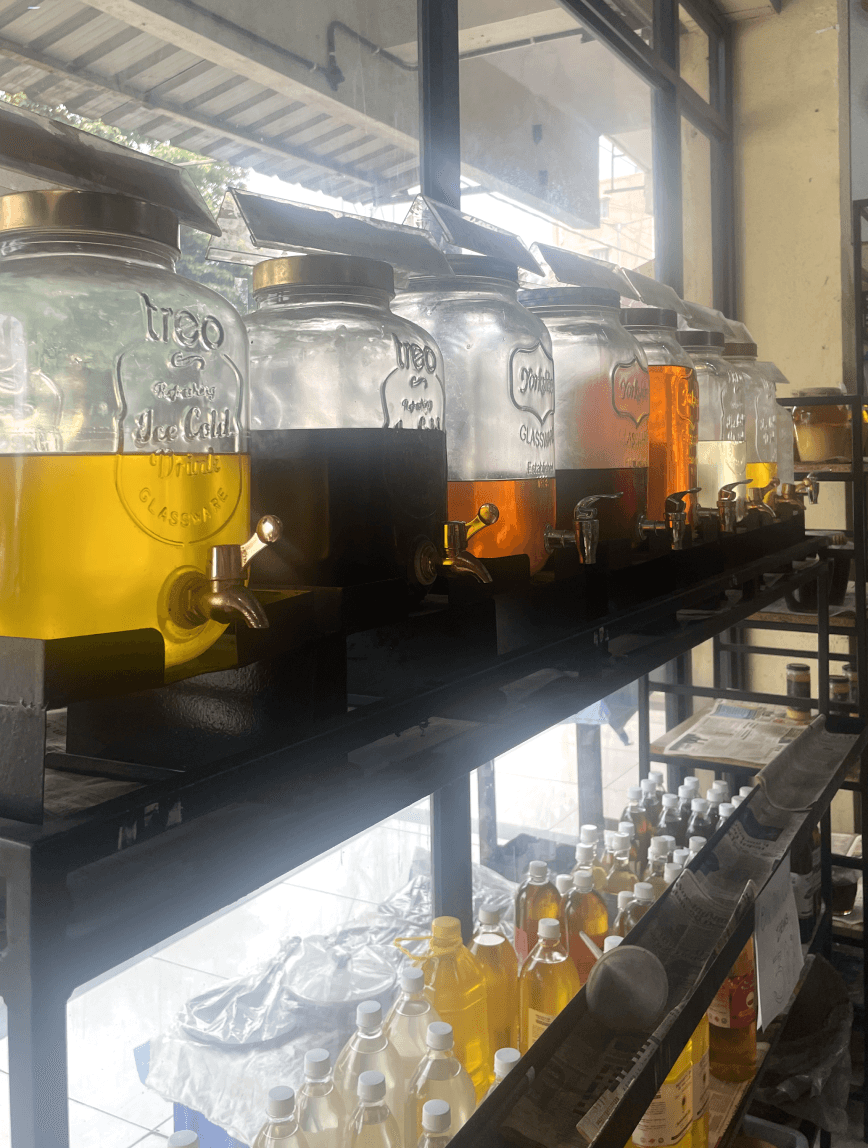
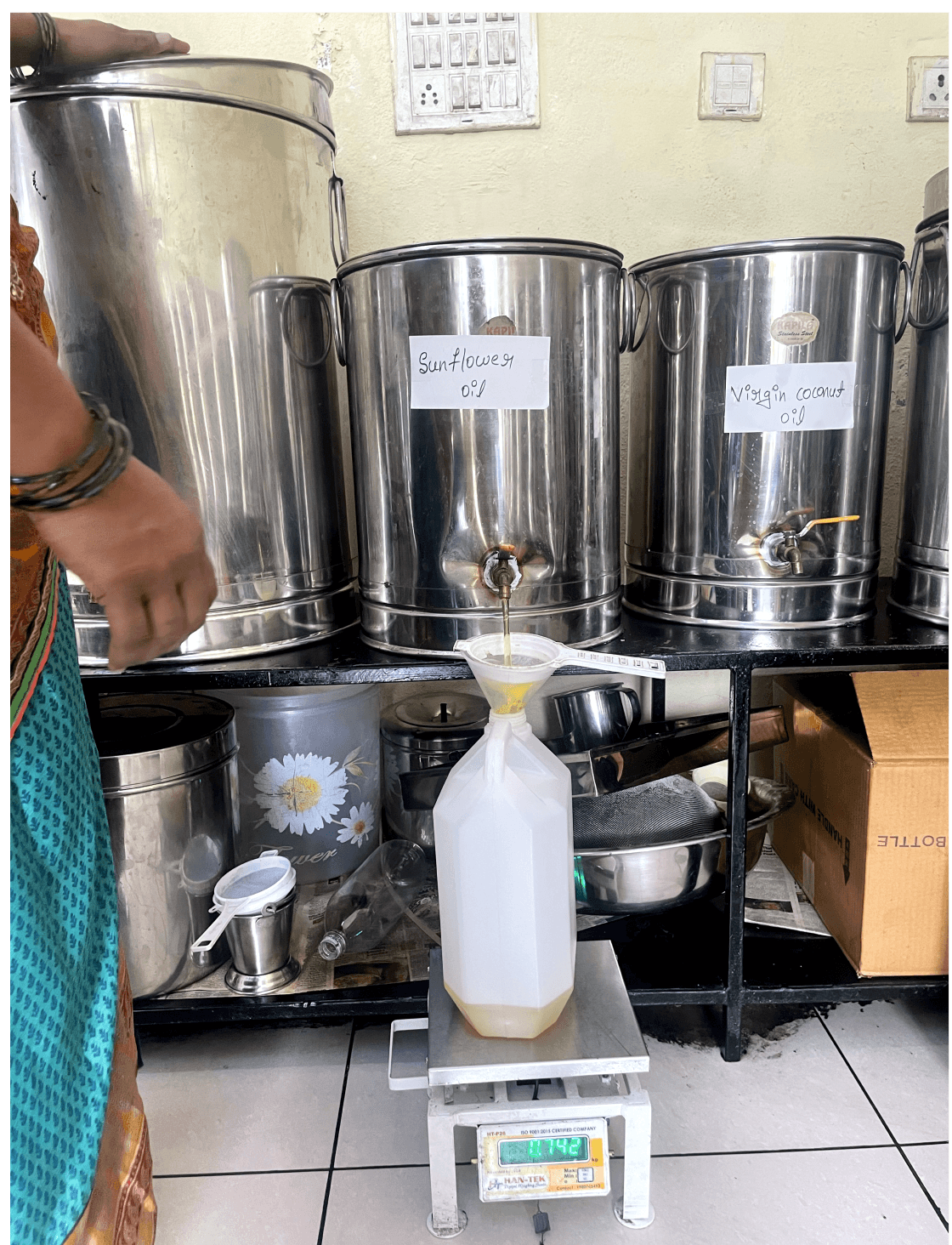
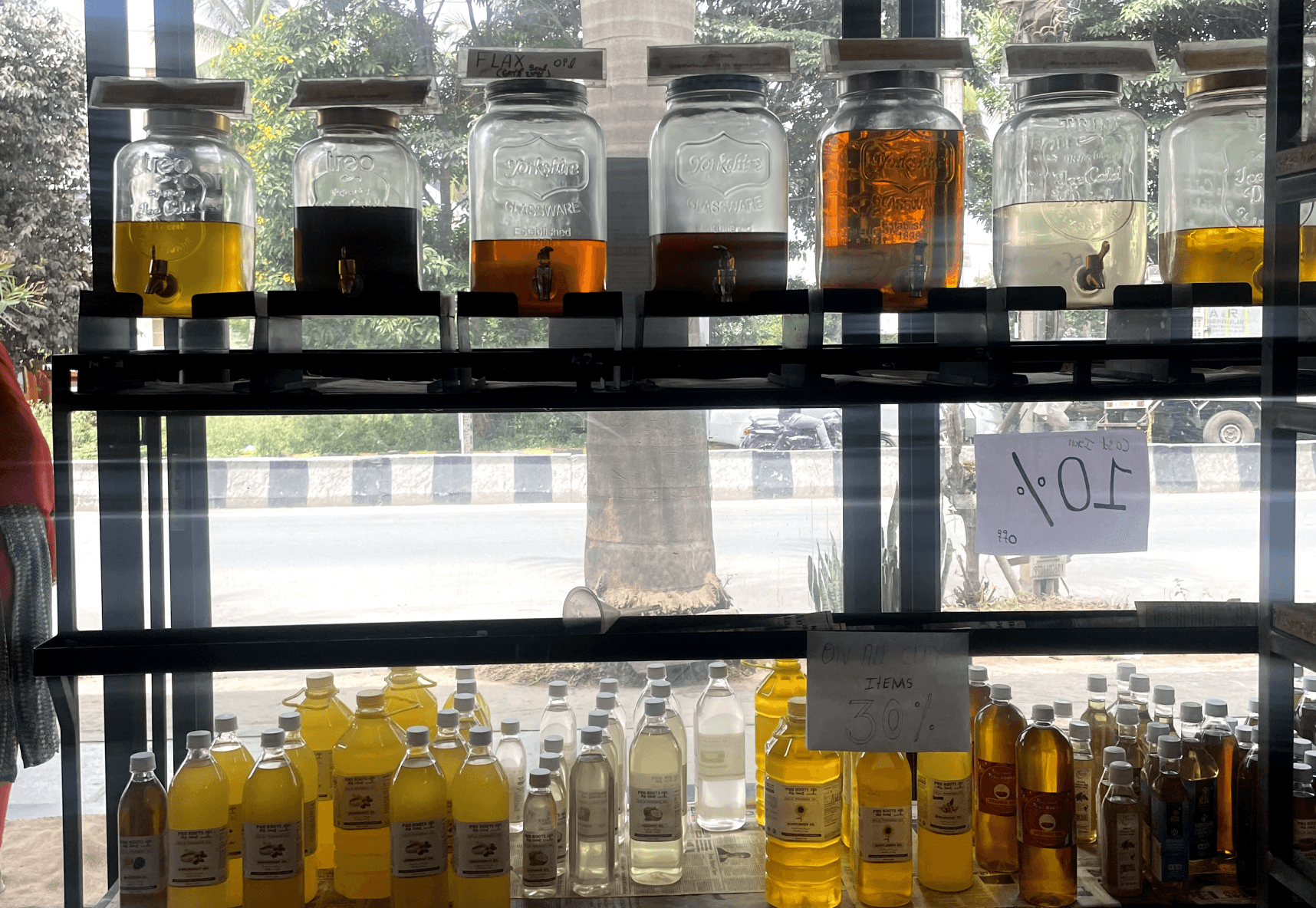
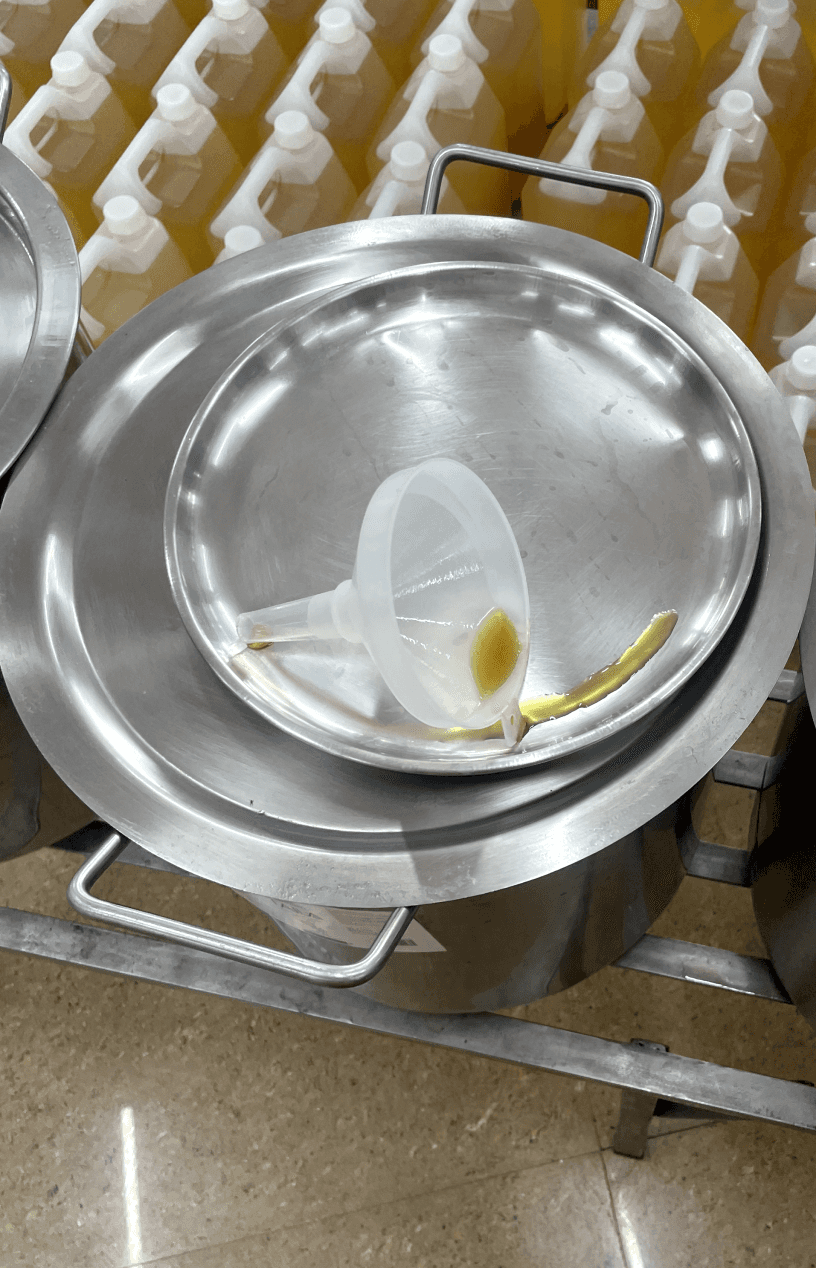
Maintain hygiene
Oil dripping outside the container
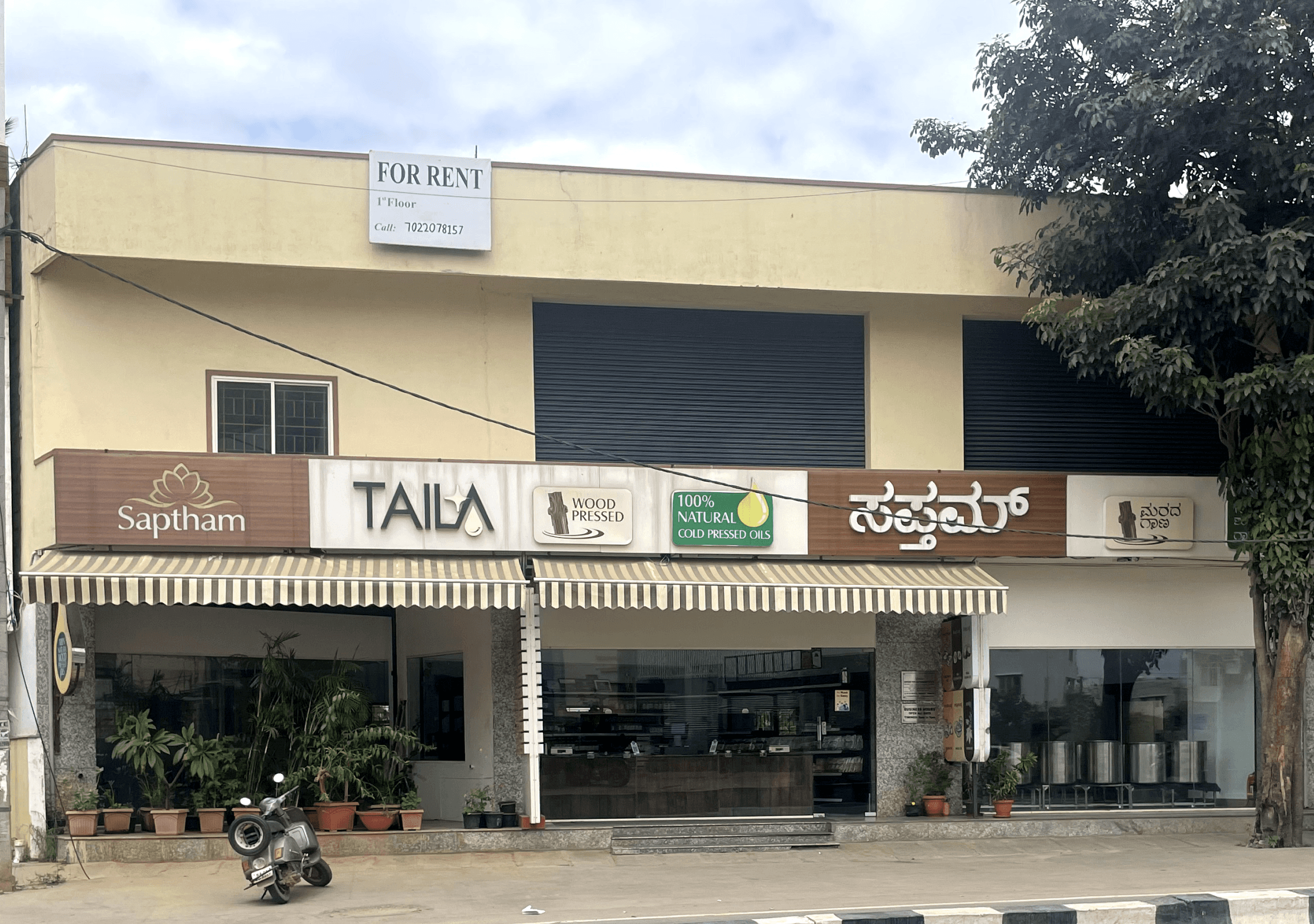
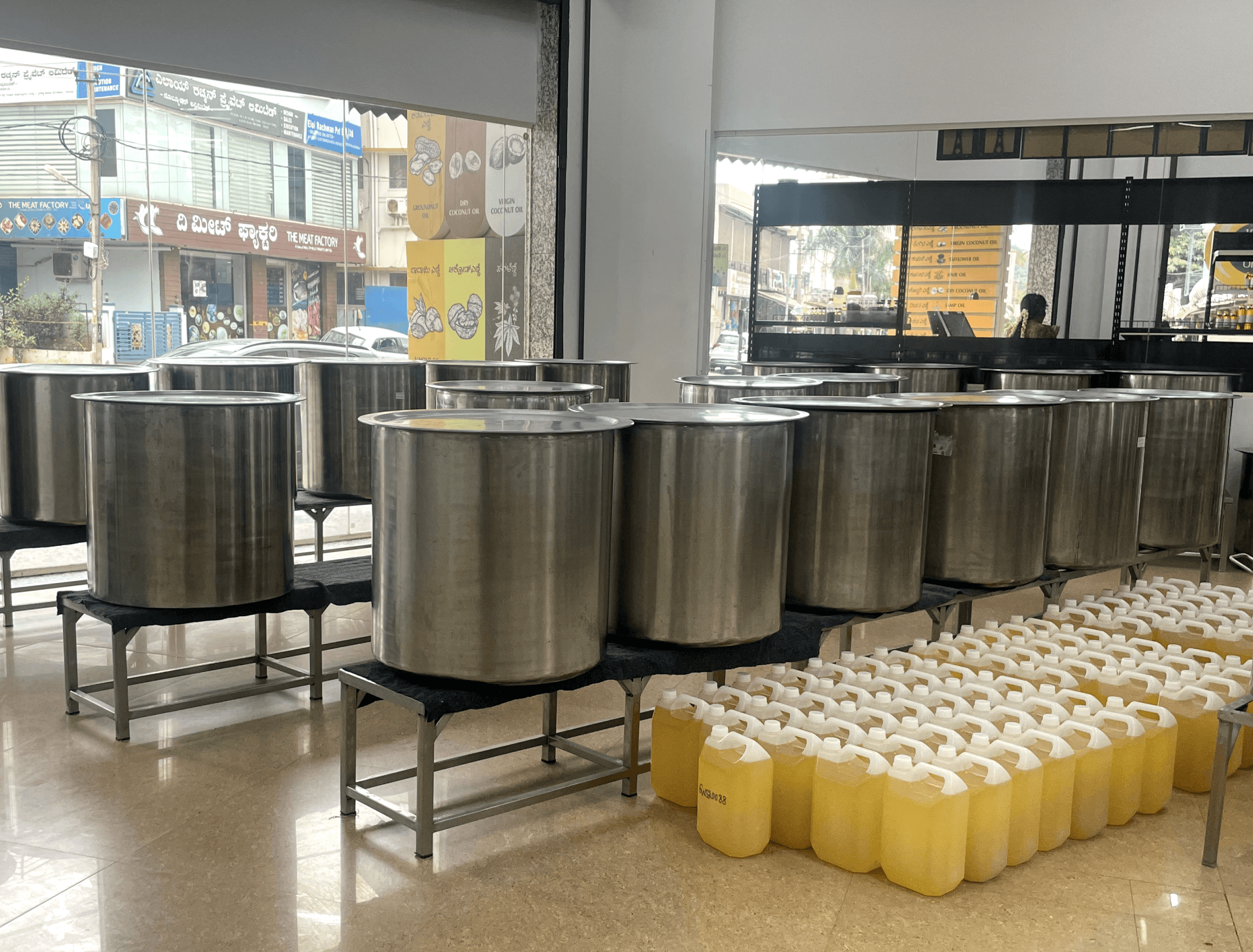
Large scale production of cold press oil
Customers are restricted from entering inside
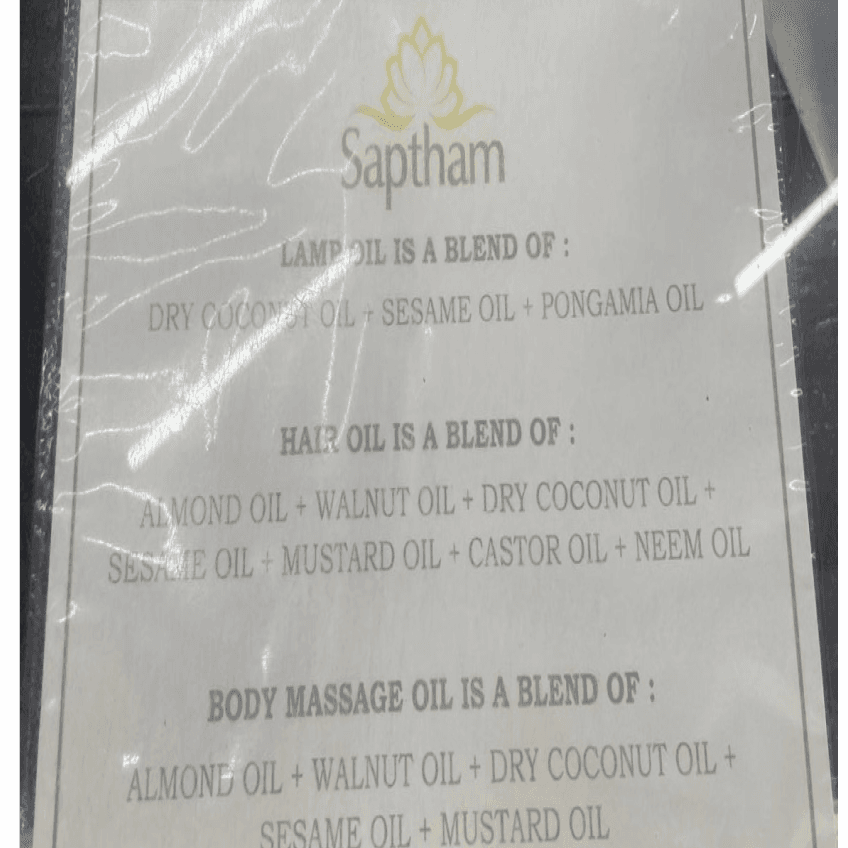
Saptham TAILA, Subramanyapura, Bengaluru

Customer Insights
Habits:
Consumers are generally open to sustainable practices like reusing containers, with a preference for bringing their own bottles or using store-provided options.
Preferences:
Cost-effectiveness and Eco-friendliness are major drivers for adopting refillable systems.
Pain Points:
Price and convenience are critical; customers need refilling to be affordable and easy to access.
Convenience:
Offering a dual system (own bottle or store-provided) while ensuring ease of refilling can address convenience concerns.
Activity Mapping
Customers
Family carries bottle to the store
Customer prefer bottle from the store
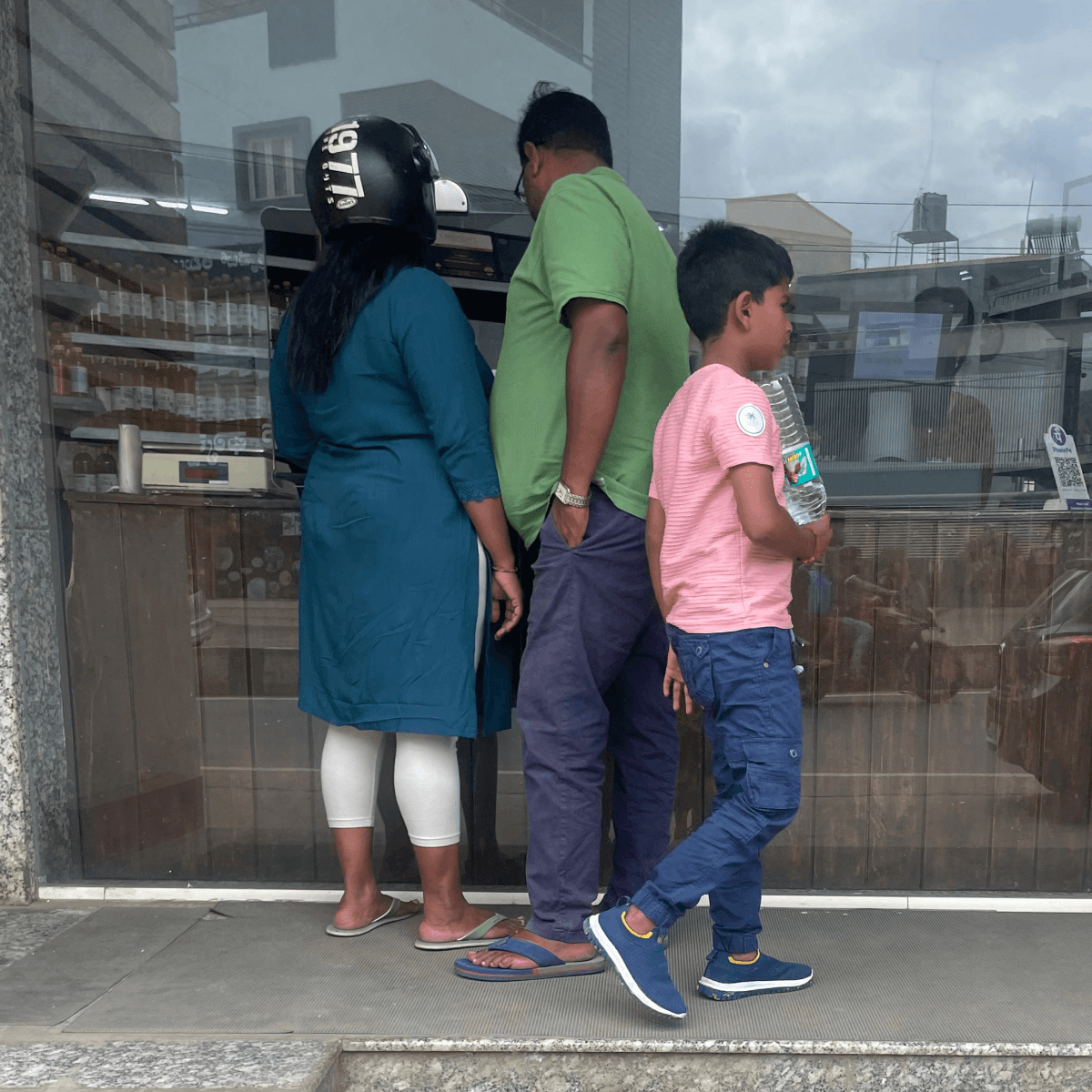
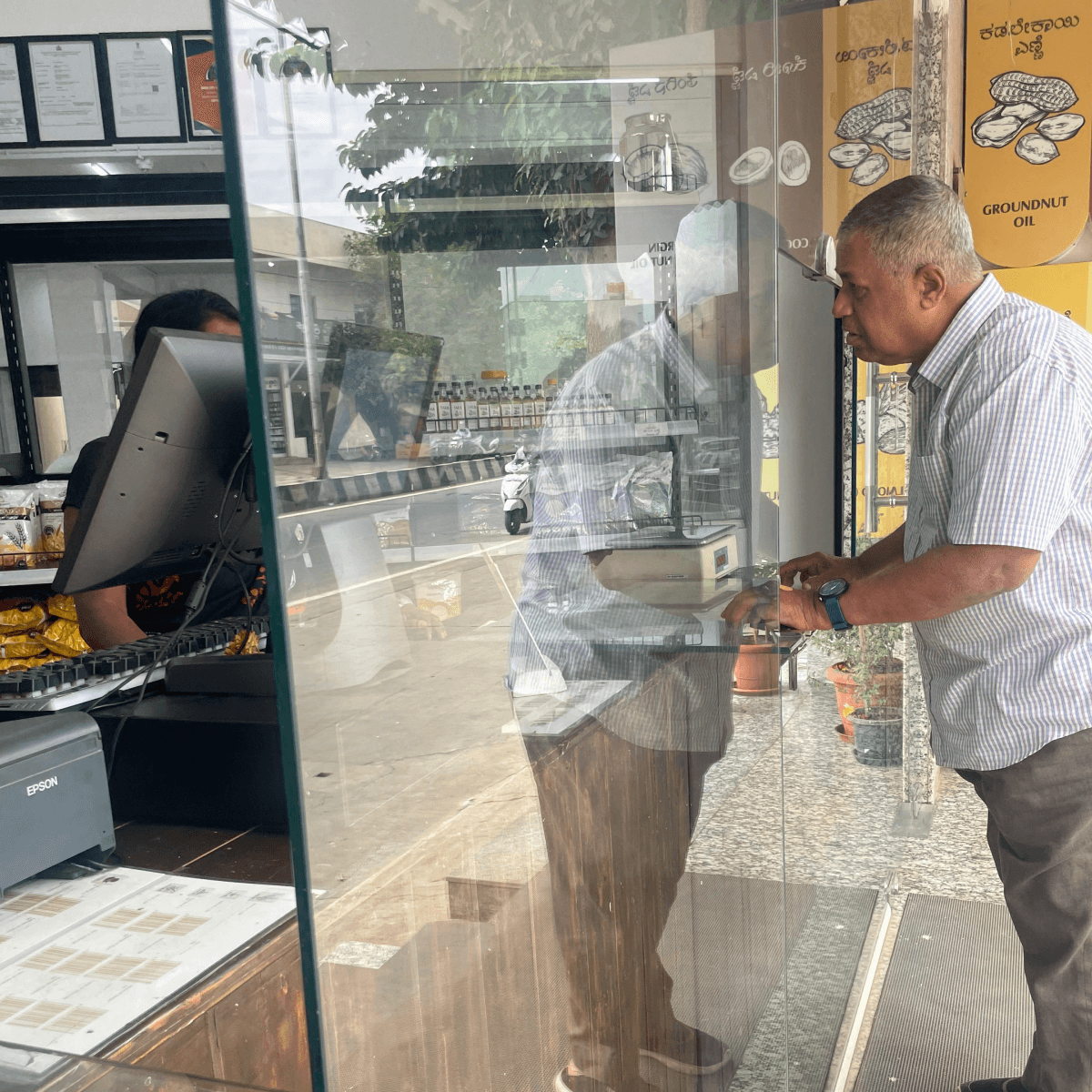
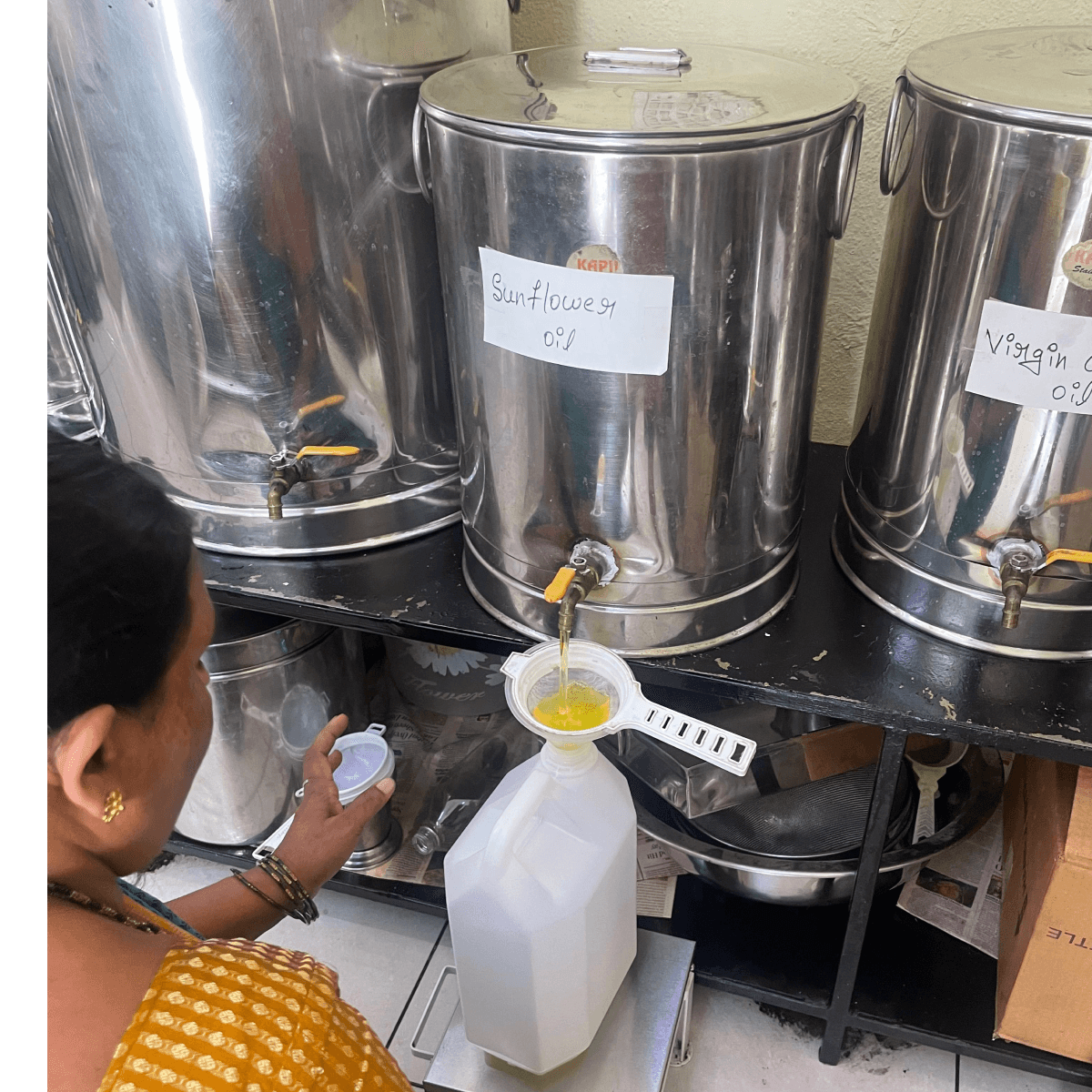
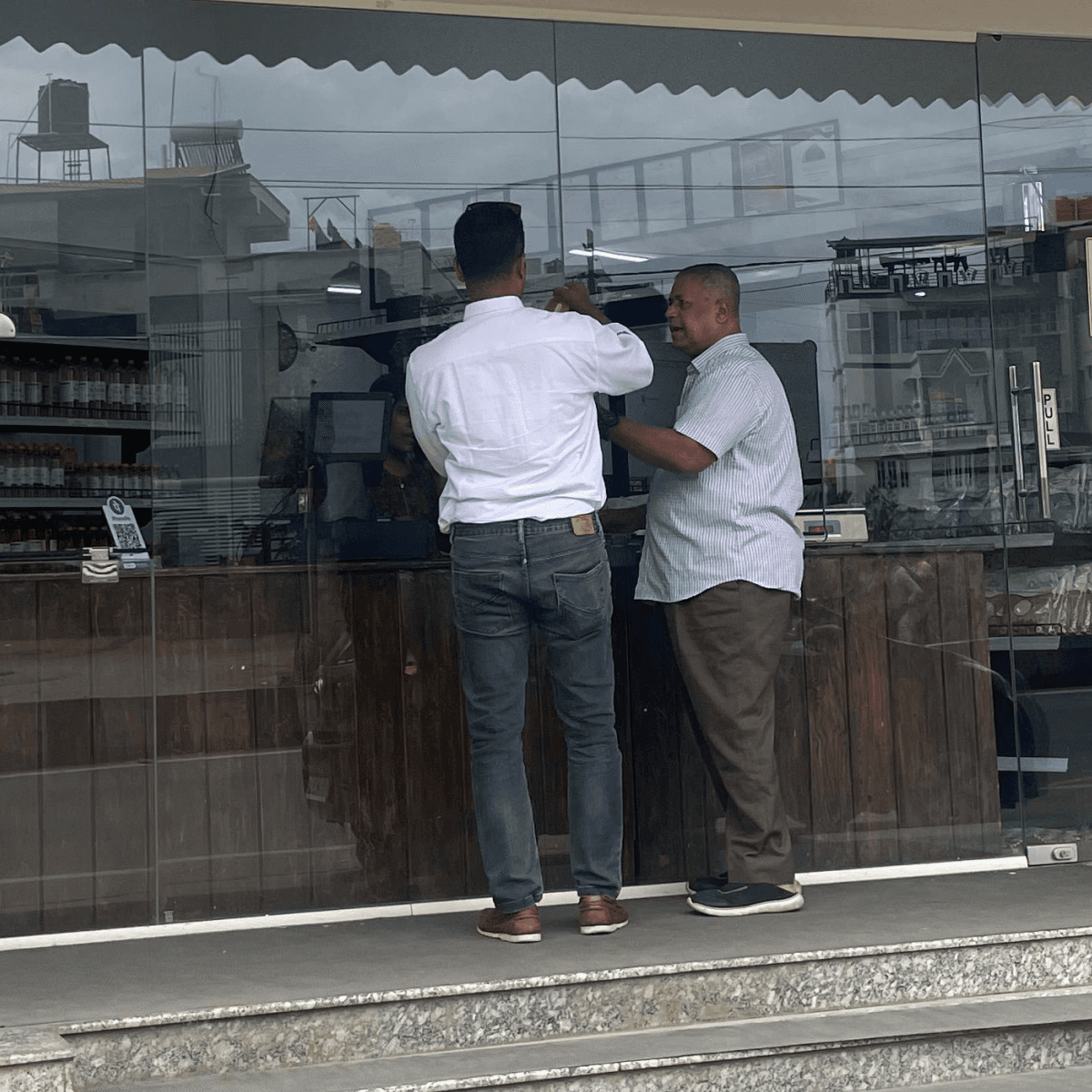
Take assistant from the retailer about the availability of oil
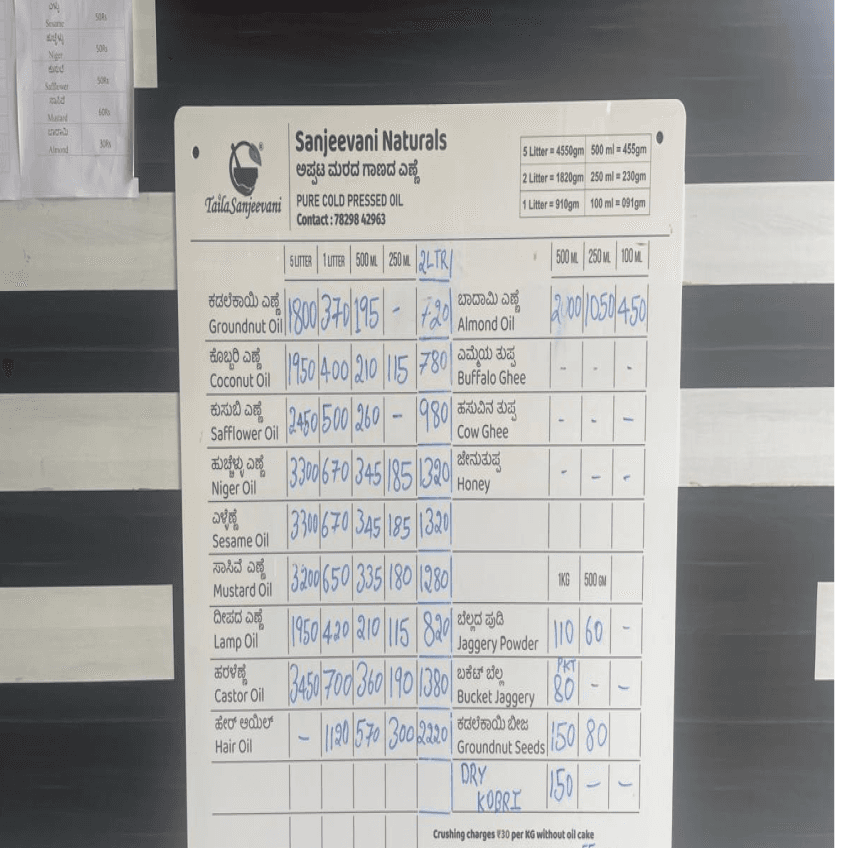
Board showing the cost of oil is visible from outside
Menu showing different oil mixtures are available
Customers have to wait for the retailer to fill up the oil
Market Gap
Minimal Focus on Customer Engagement in retail space
Absence of Affordable, High-Quality Oils for Low-Income Consumers
Insufficient Access to Fresh, Locally Sourced Oils
Limited Bulk Buying Options for Cooking Oils
Design a scalable, zero-waste edible oil dispensing fixture that embodies the character of the "Modern Grocer."
Design Brief
Design Opportunities
The current market forces a false choice between the affordability of bulk oil and the perceived safety of a sealed pouch. The opportunity to design an 'Oil Tap' that eliminates this conflict. This isn't just about creating a dispenser; it's about designing a transparently reliable system, a sleek, modern station that proves its own hygiene. The possibility is to create a new, desirable retail experience where 'refill' becomes the smarter, cleaner, and more economical choice, allowing customers to confidently 'un-package' their oil and pay for nothing but the product itself.
Redeem the refill
To build the system that finally trusts the consumer.

Secondary Research
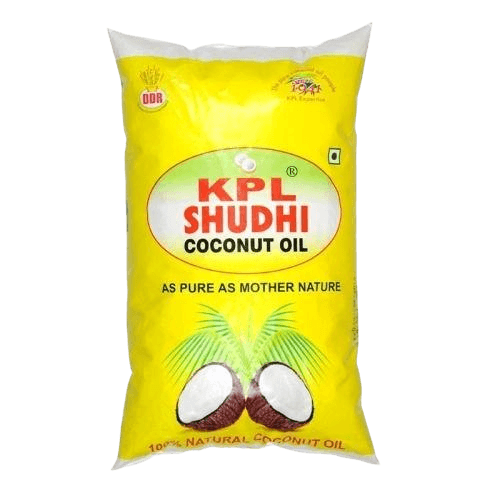
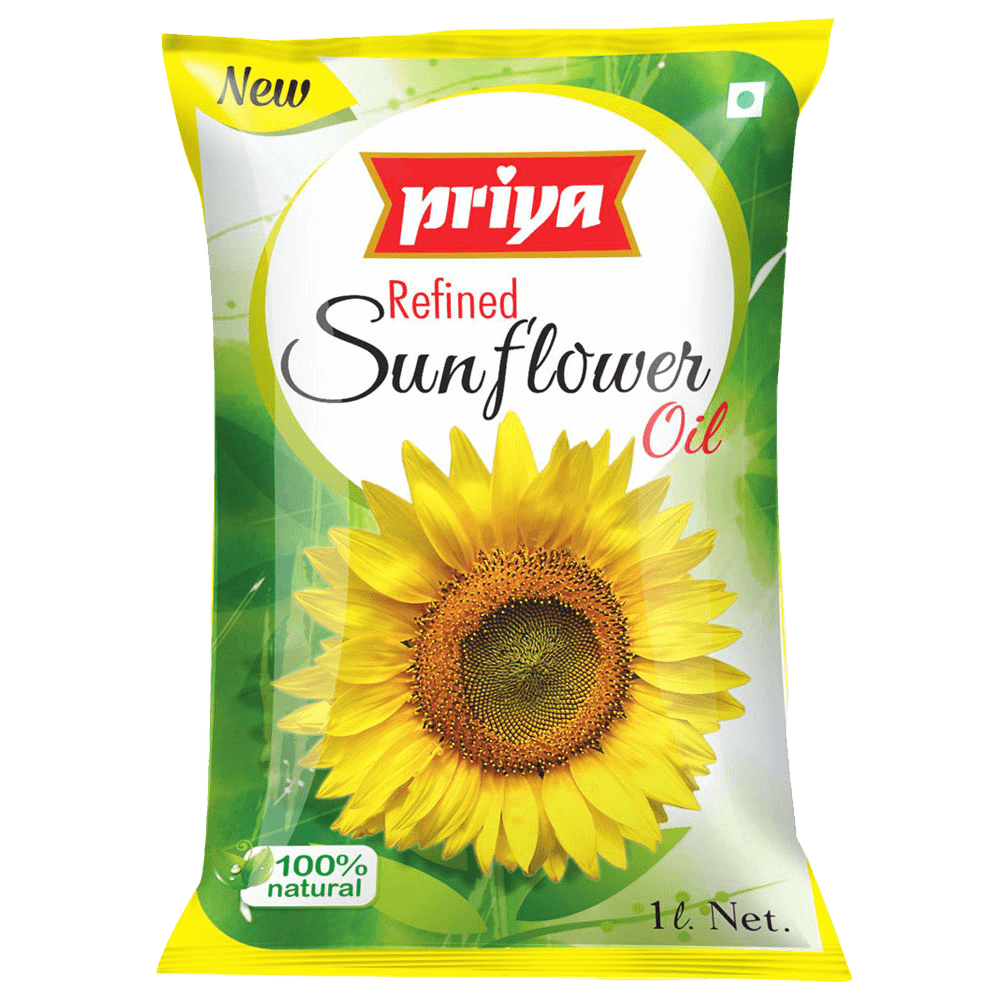
Edible oil product available in retail stores
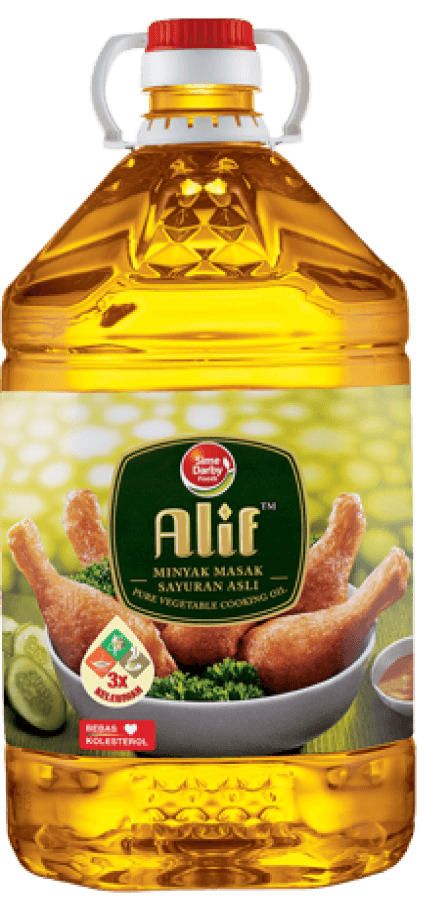
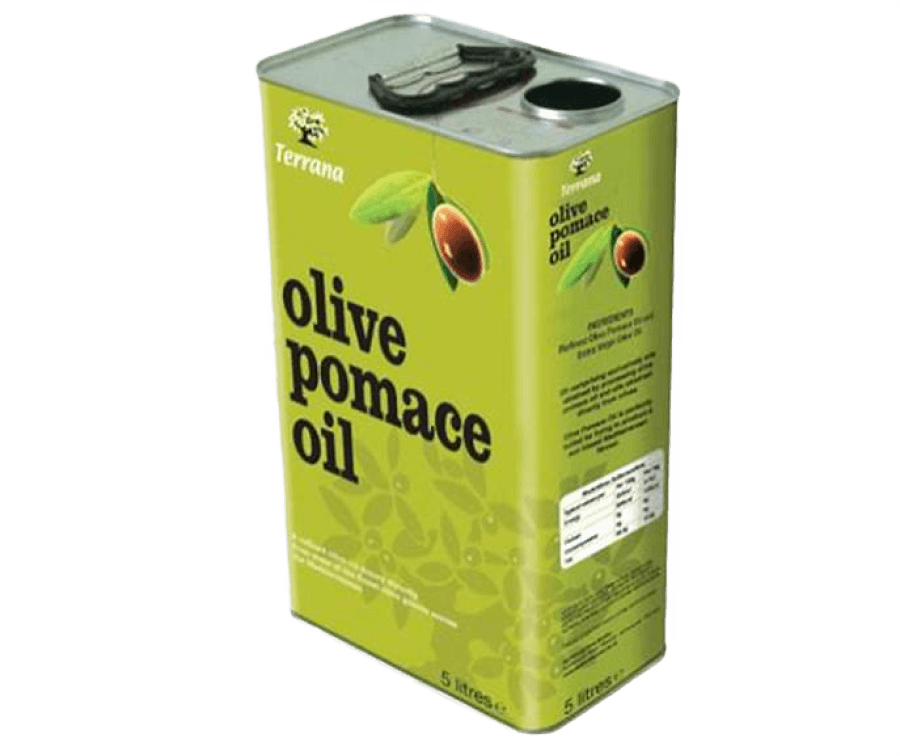
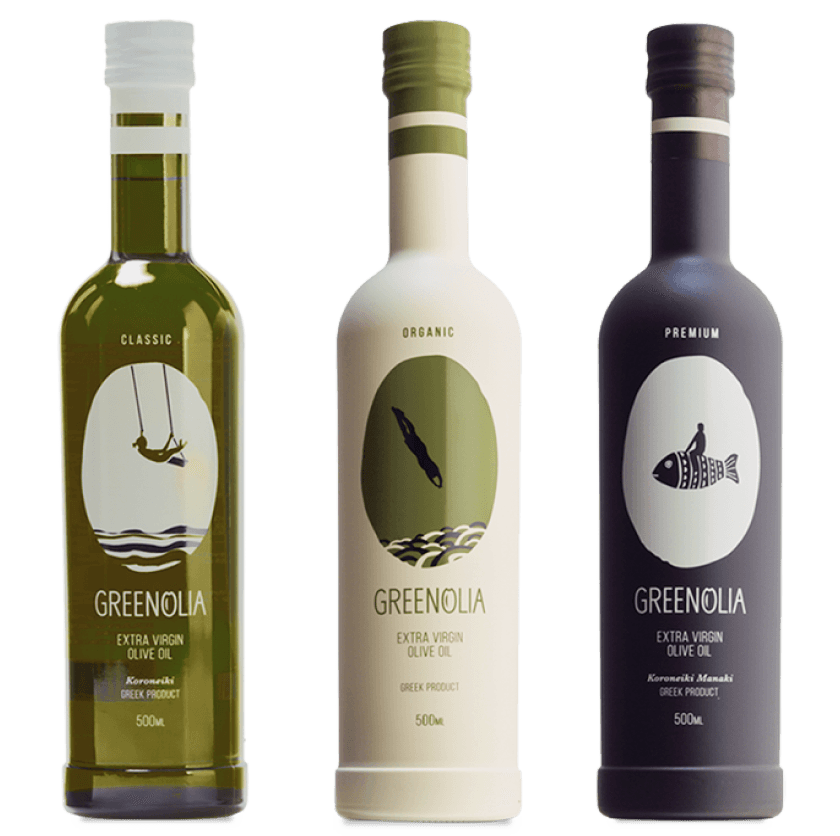
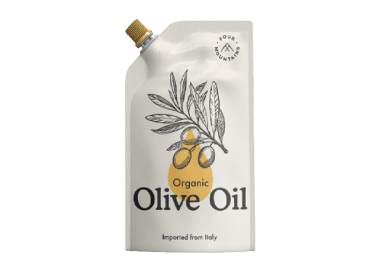
Higher income & Premium Consumers
Upper middle class
Middle Class & Lower Middle Class
Flexible pouch
Prioritize cost
Refined oils
Health & Wellness Focused
Price Sensitive
Semi- rigid packages
Extra Virgin, Organic Oils
Wellness & Gourmet Focused
Niche Market
Edible oil in India
Edible oil per capita per month
NSSO Report
Mustard oil is the most consumed in both rural & urban area
South & West - Ground nut oil
East & North - Mustard oil/ Rapeseed oil
South - Coconut oil/ Sesame oil
0.66 kg


Primary Research
User Survey



70% of customers purchase oil once a month
20% of customers purchase oil twice a month
60% of customers are exited to use there own bottles to promote BYOB (Bring Your Own Bottle) initiatives.
30% of customers are not sure, but they will consider carrying their own bottles.
Some customers prefer store-provided reusable containers, highlighting the importance of offering convenient and reliable options.
40% of customers aware of the potential presence of microplastics in plastic packaging
35% of customers likely to switch open to switching to alternatives to plastic-pouched oil.
But some are confused about, convenience & Price.
50 % of customers prefer 1 litre packaging
50 % of customers prefer 500 ml packaging

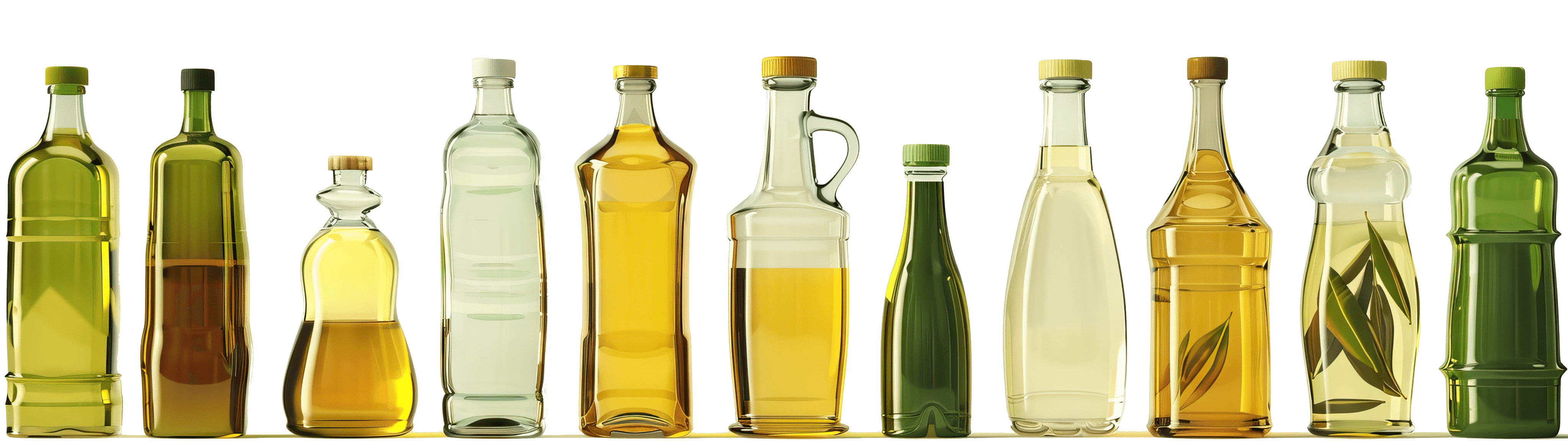


It should be precise, hygienic, and transparent. It guarantees purity and accurate volume.
It should be intuitive, non-intimidating, and as easy to use as a self-service coffee machine.
It feels like an upgrade to the shopping experience, making the customer a hero for making a smart, sustainable choice.
Trust
Accessibility
Empowerment
Concept Ideation
“Chekku” or “Ghani”
Traditional Cold Press Oil Extraction Method

The Physical Station
Brainstorming the materials, form, and user interaction with the physical object.
Moodboard

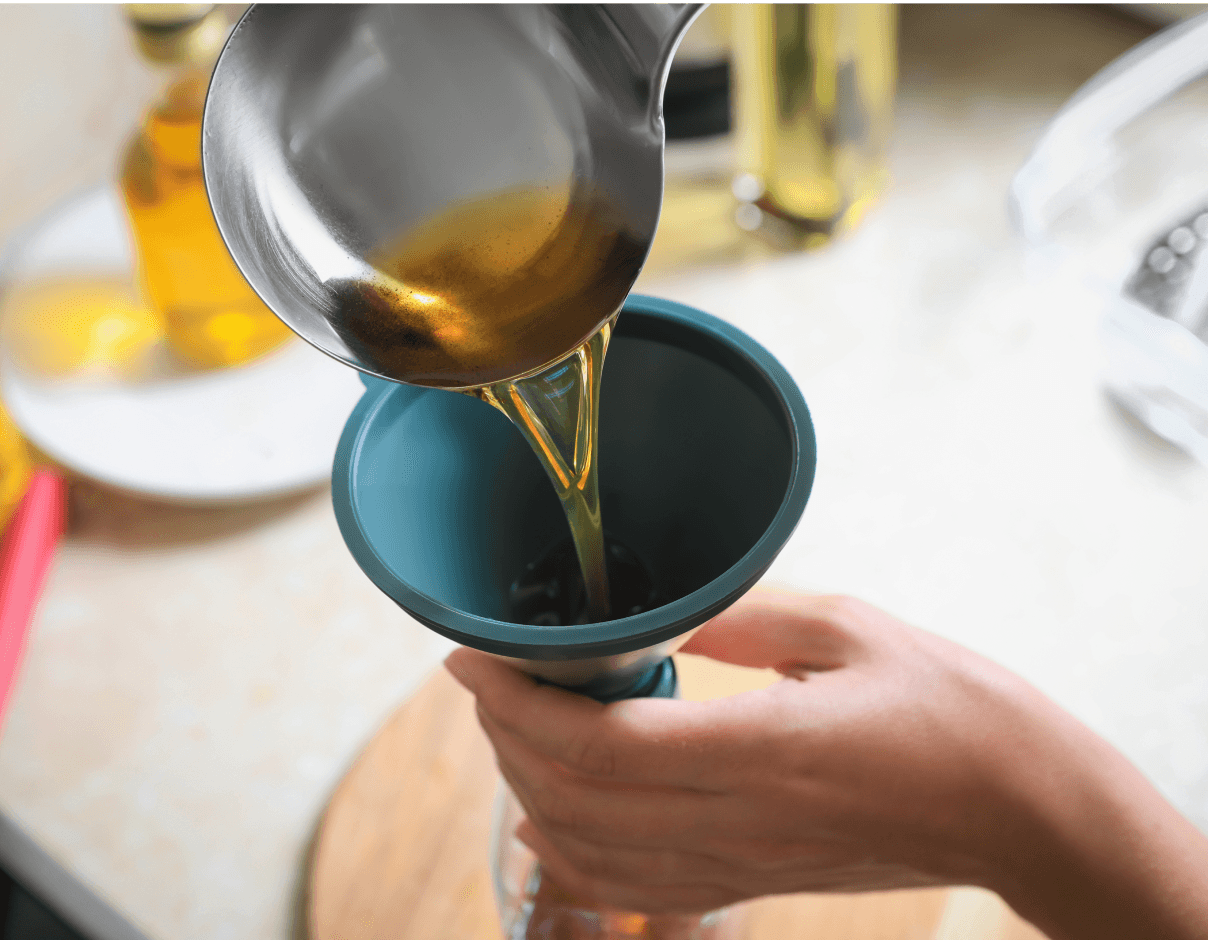


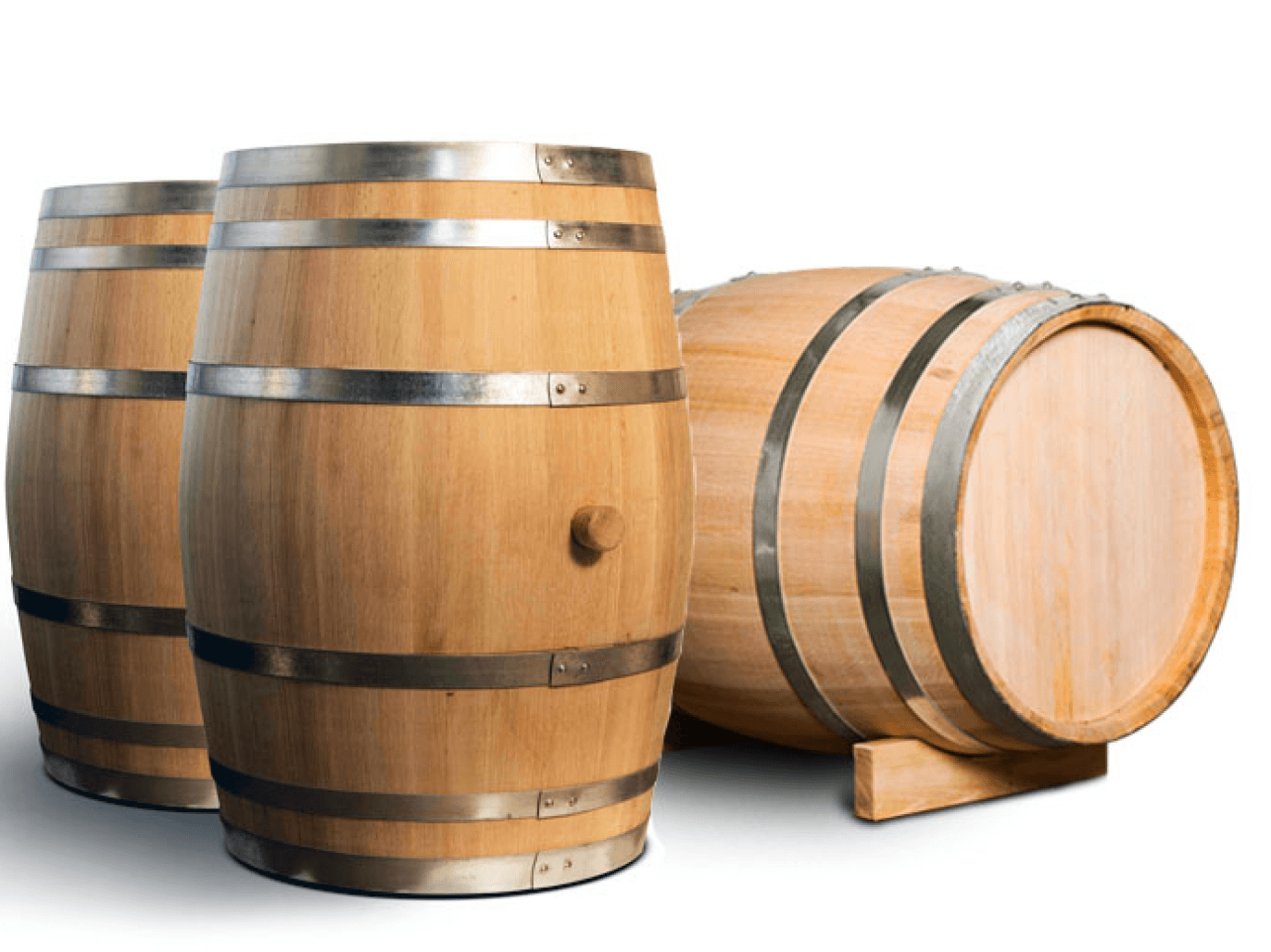
Fluidity
Barrels
Transparency
Funnel
Form
Sketches
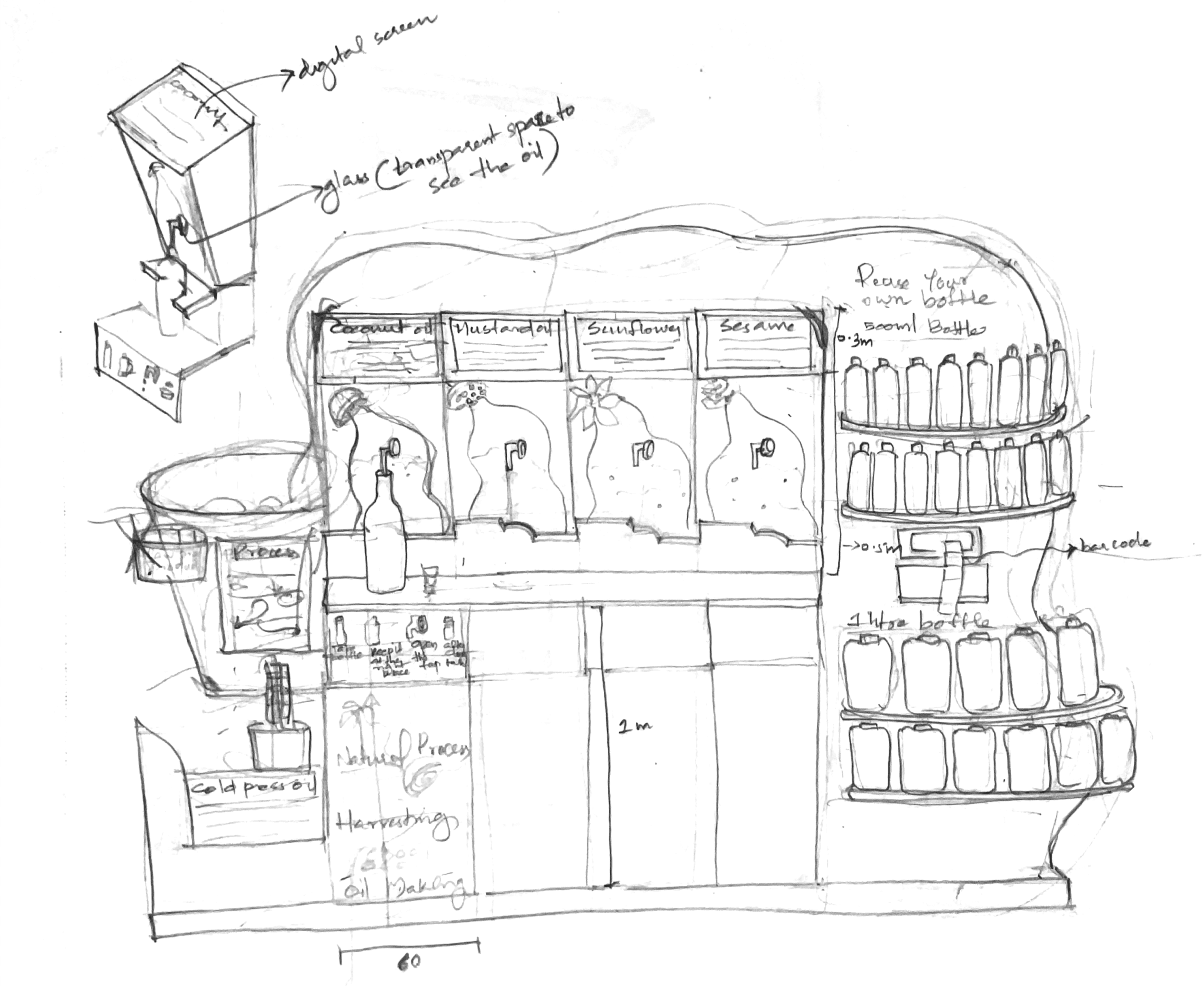
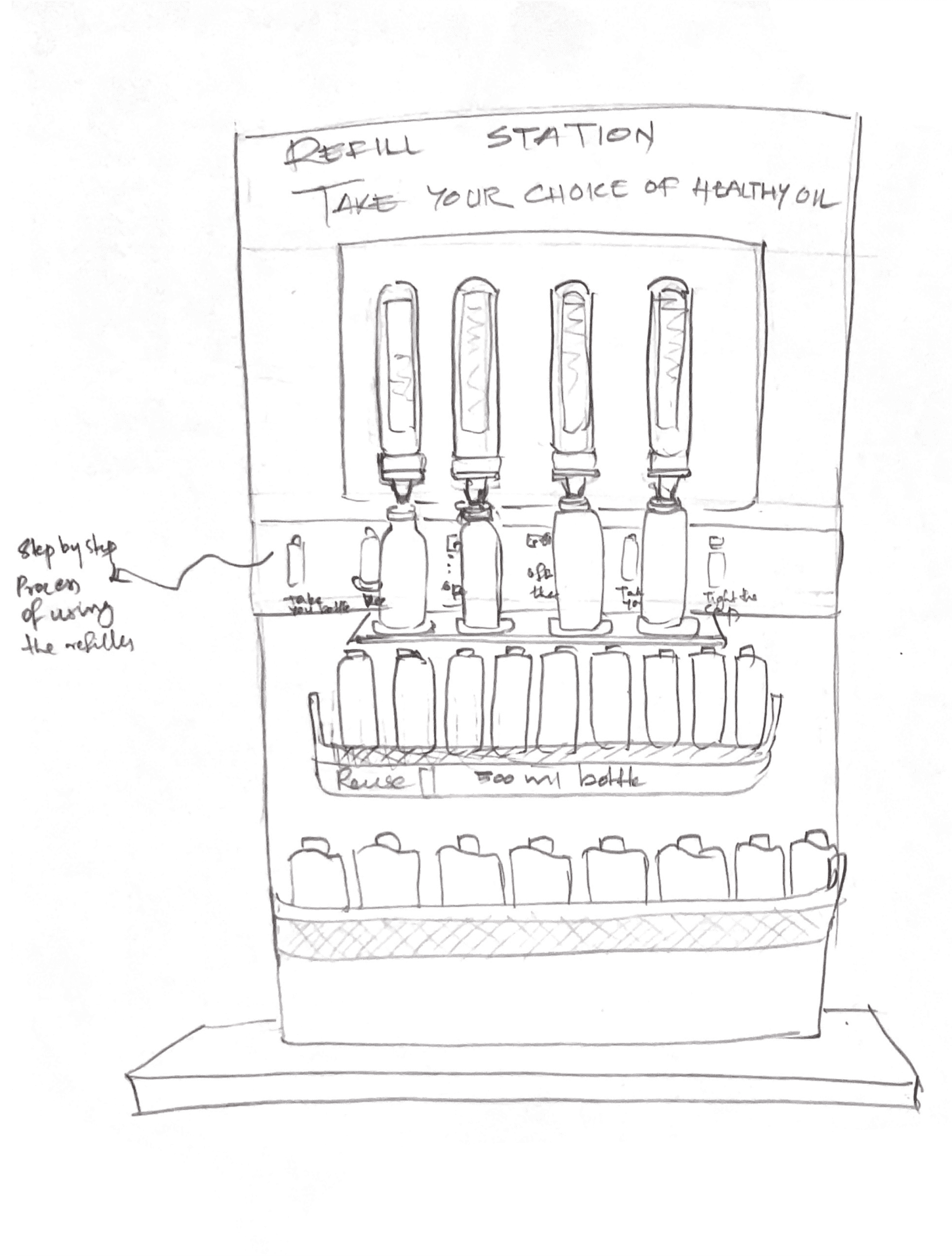
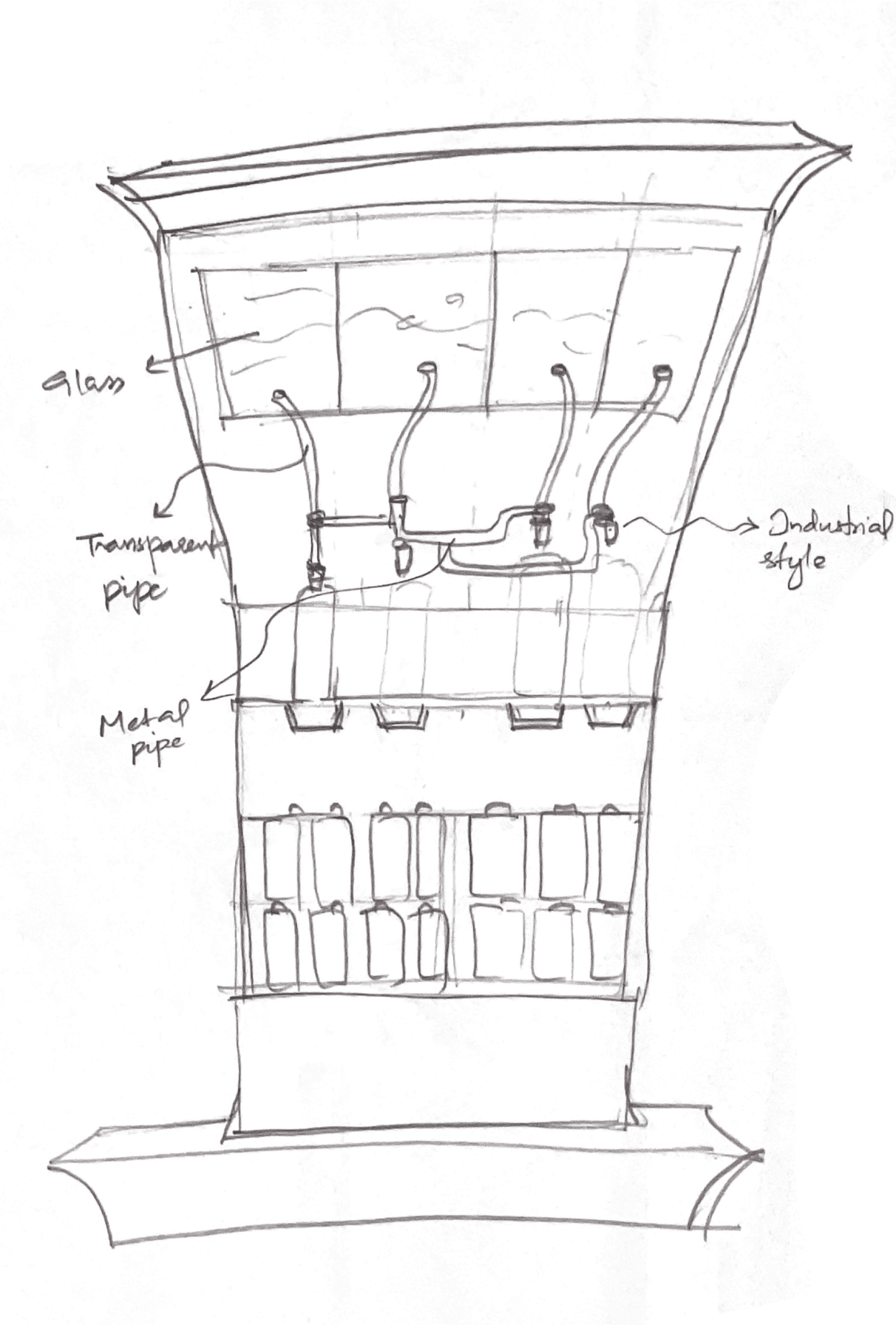
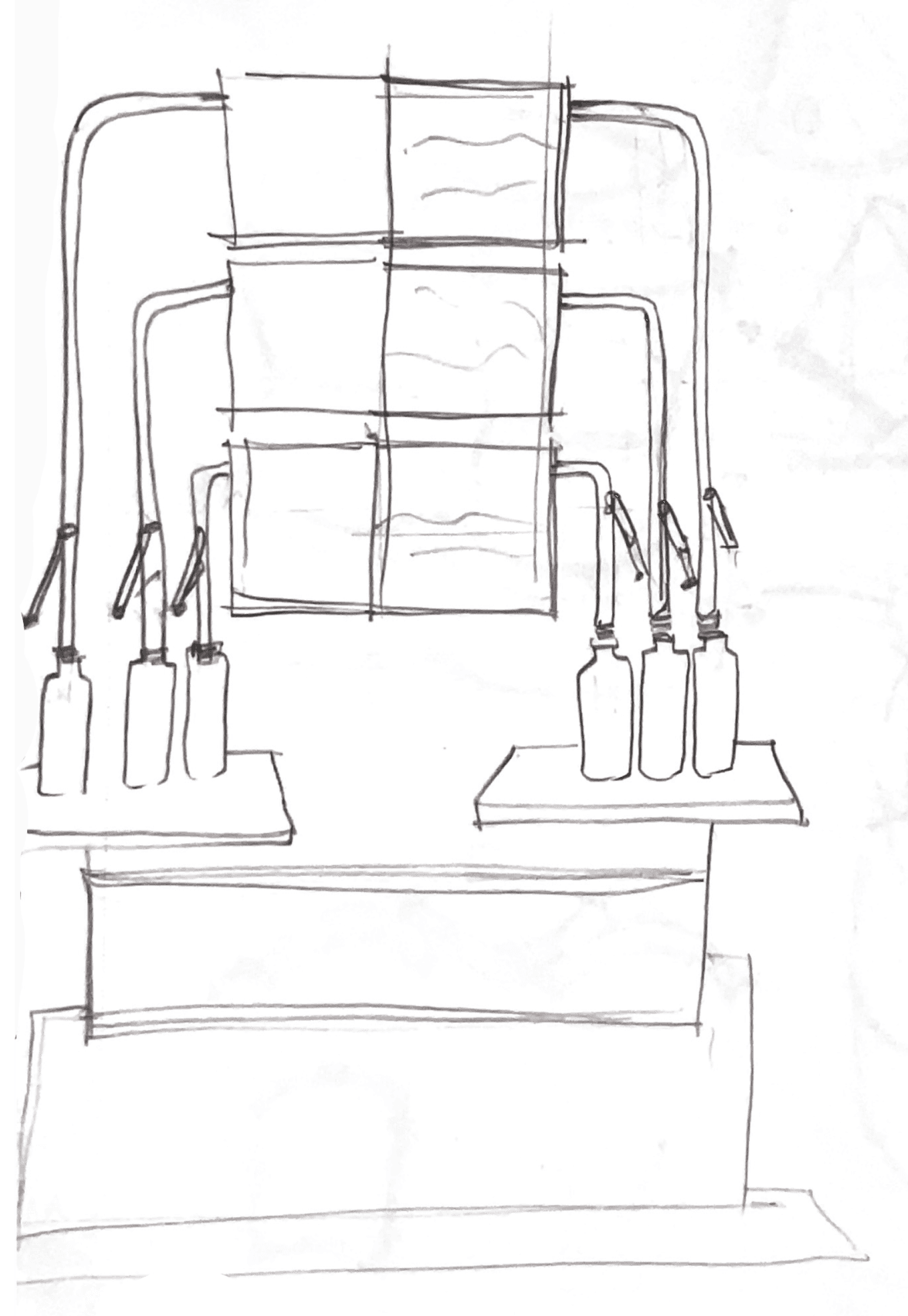
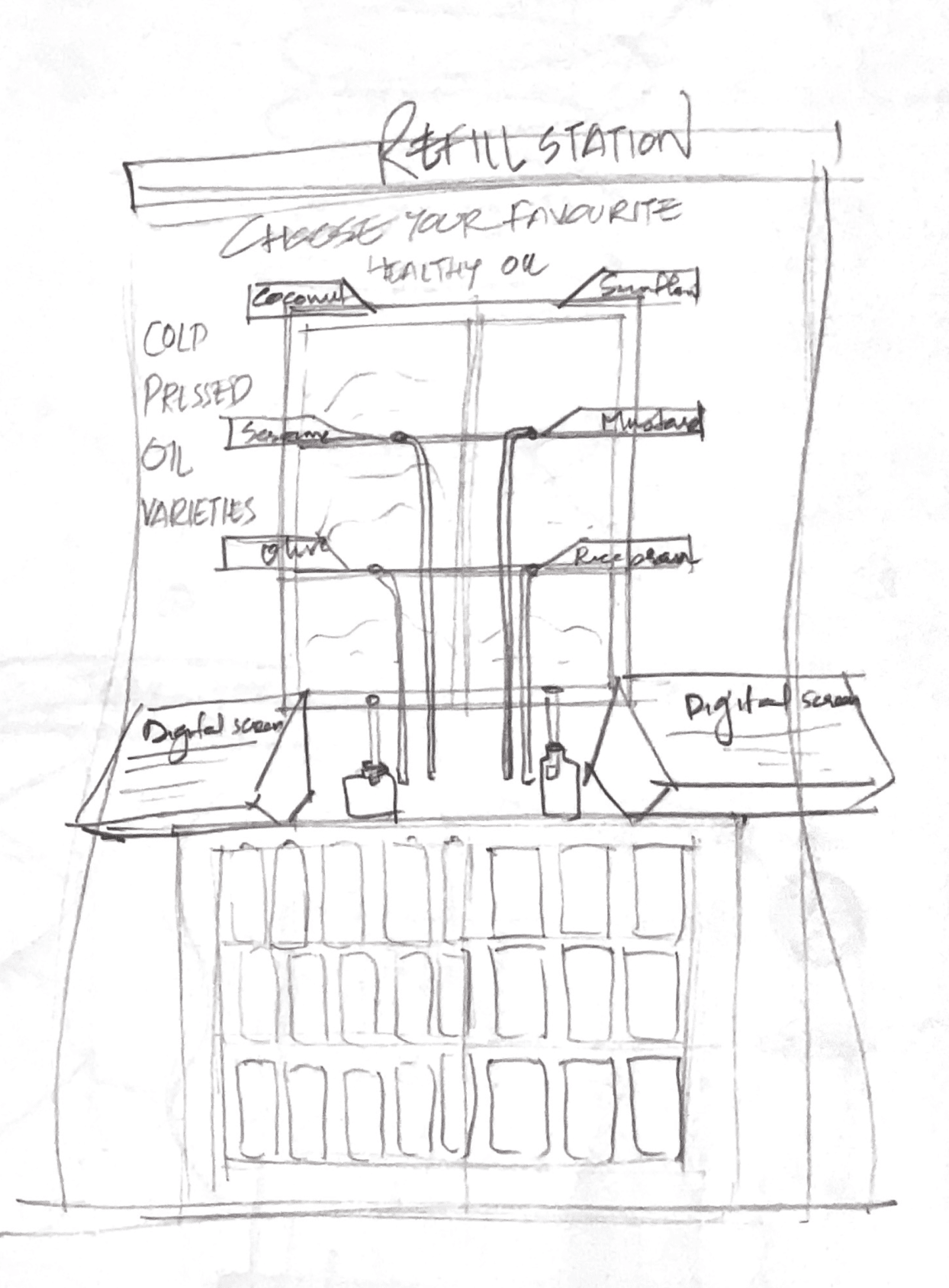
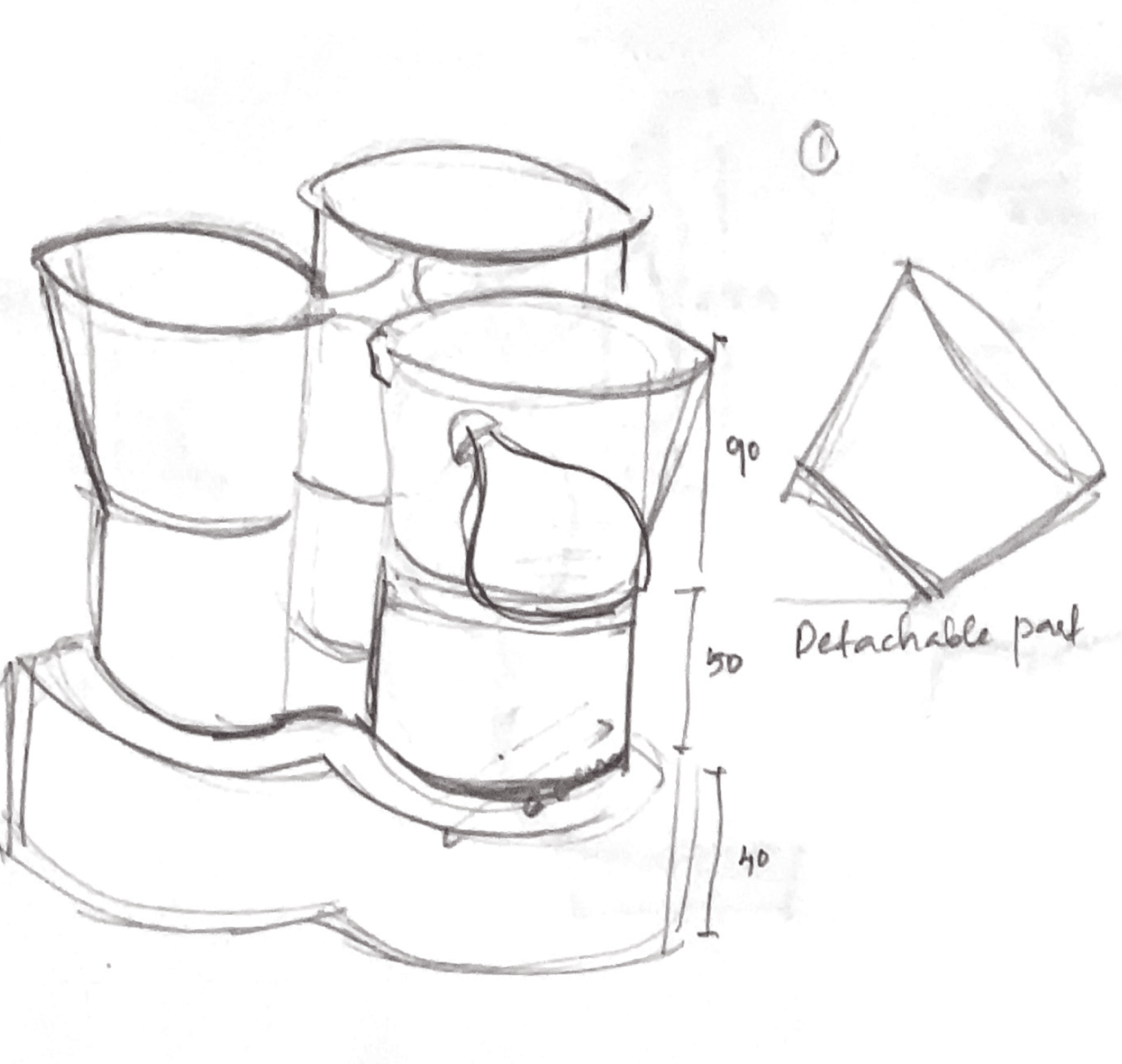
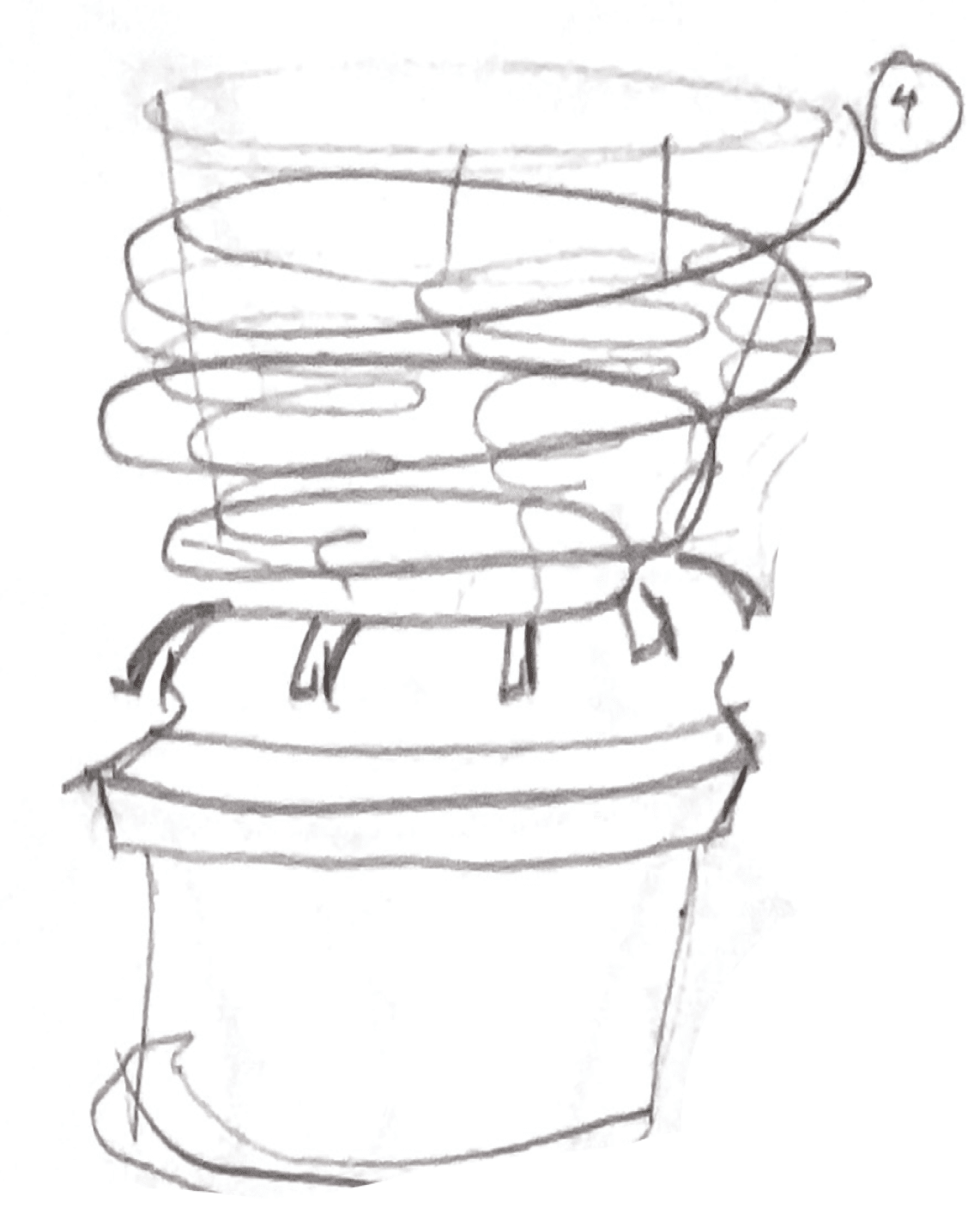
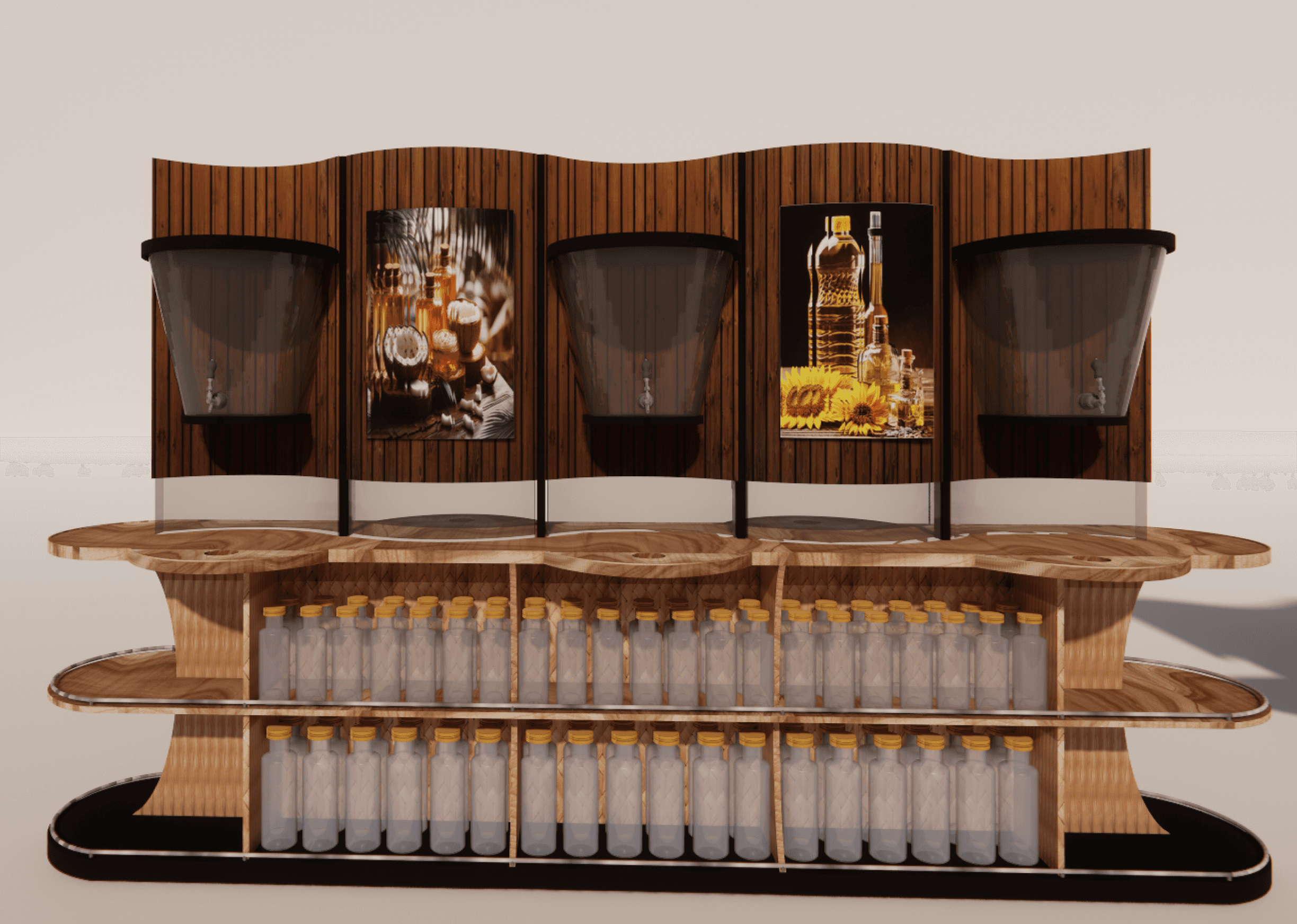
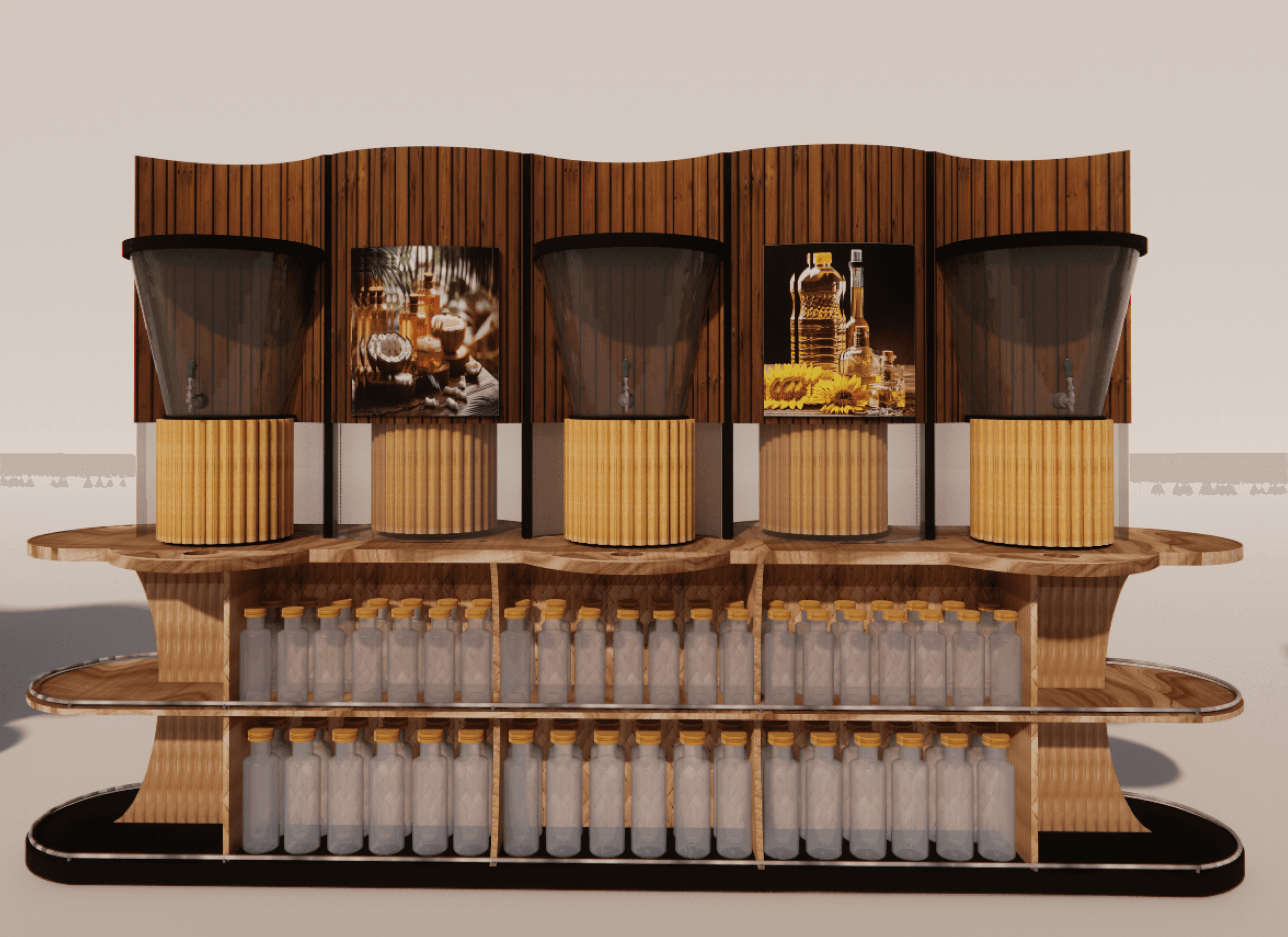
Design Iterations
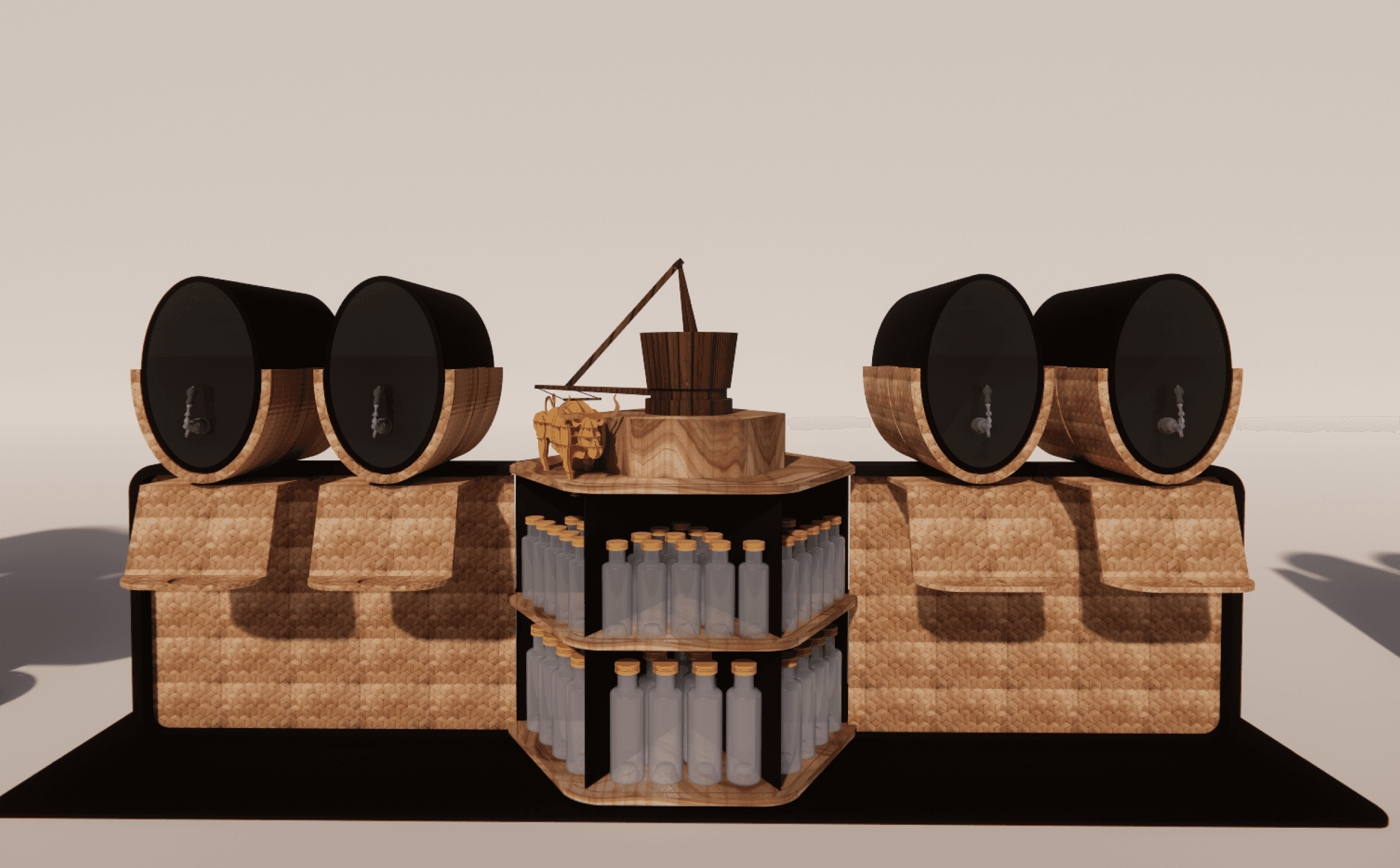
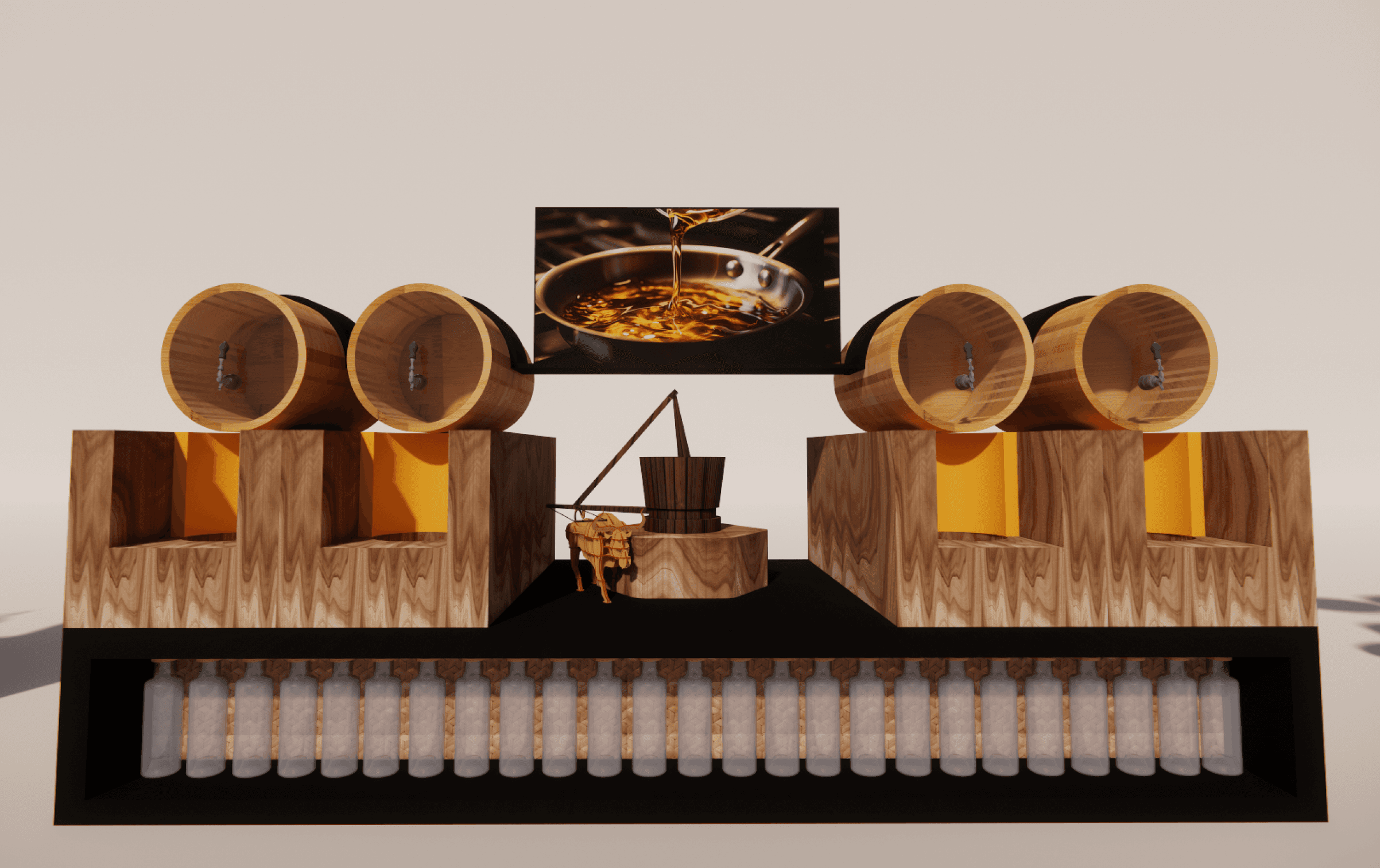
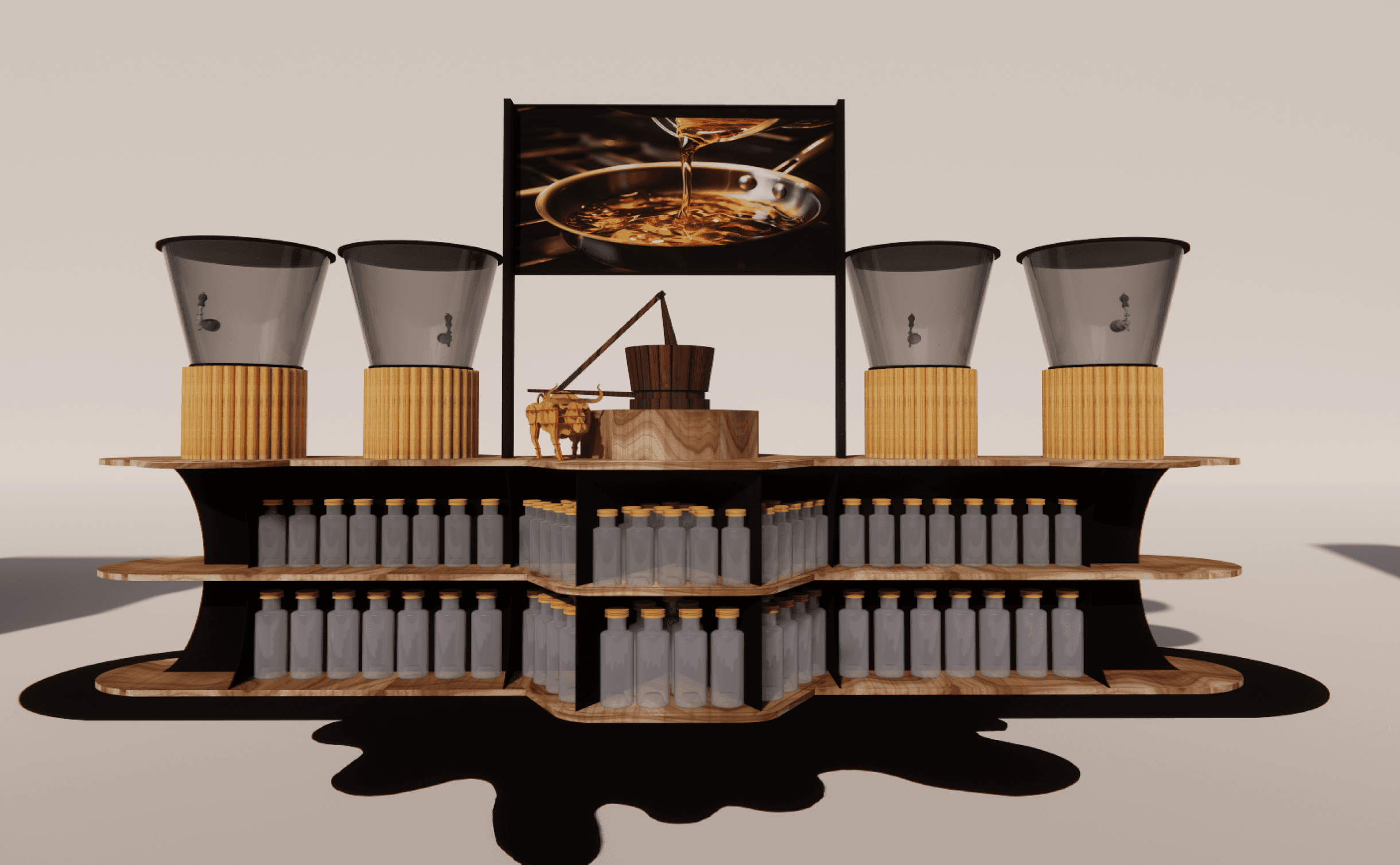
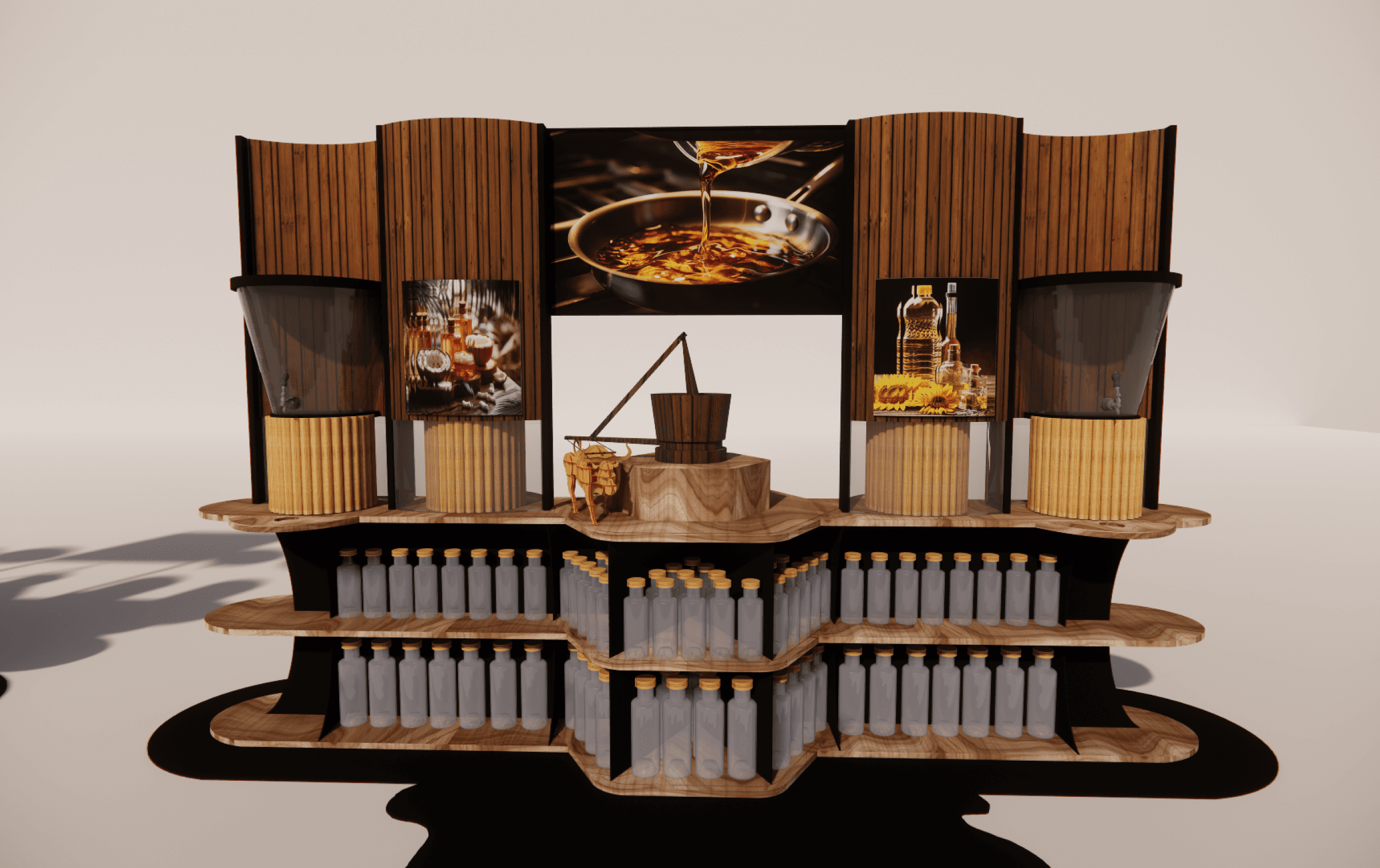
Material Used
Glass
Joinery
Vinyl plank
Bamboo
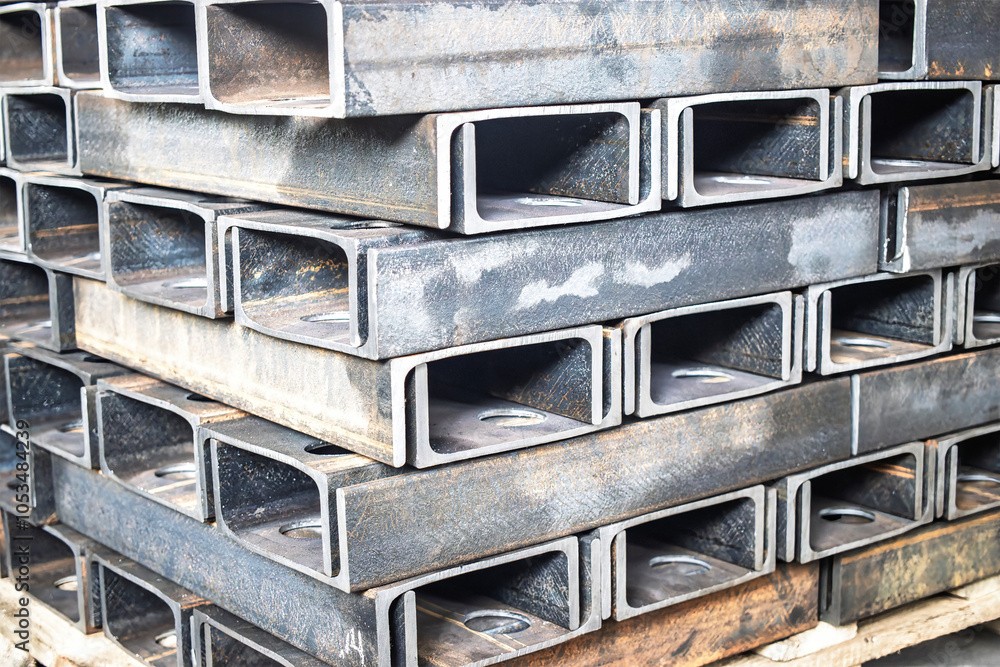
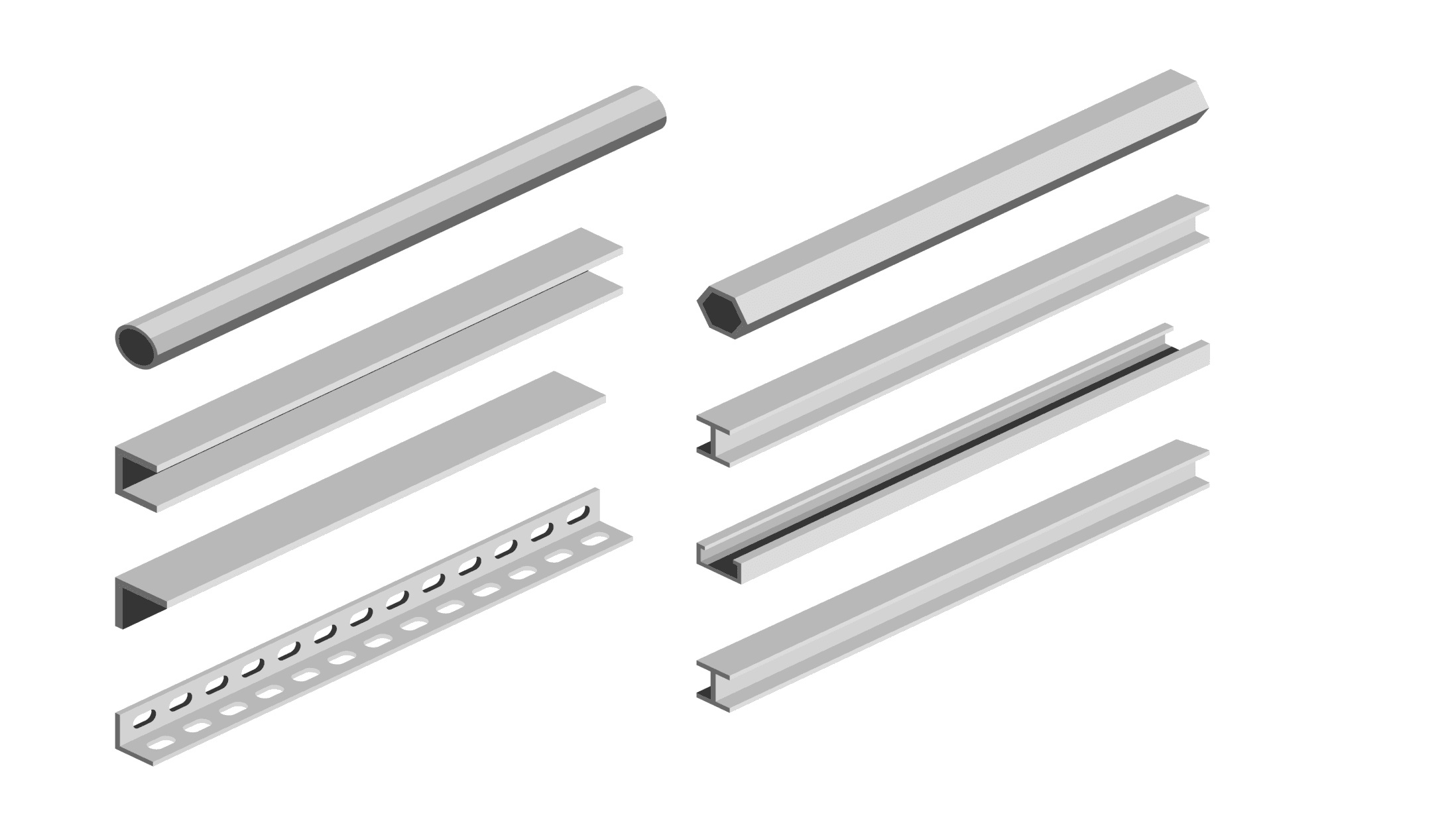
Metal
Anti slippery surface texture




Exploded View
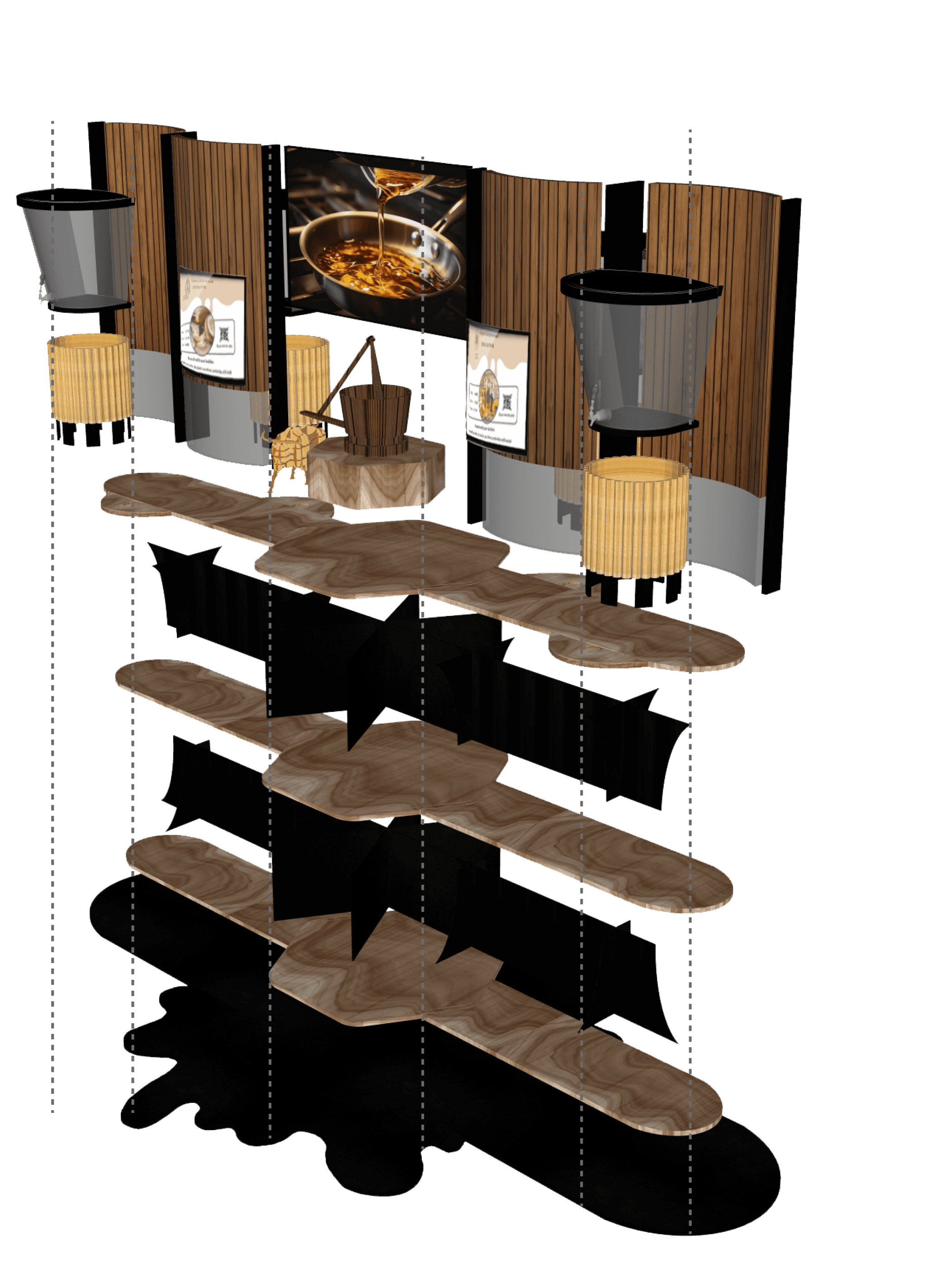
Oil storage
Digital screen
Temperature balance system
Transparent, Connectivity
Non spill refill nozzles -precise pouring
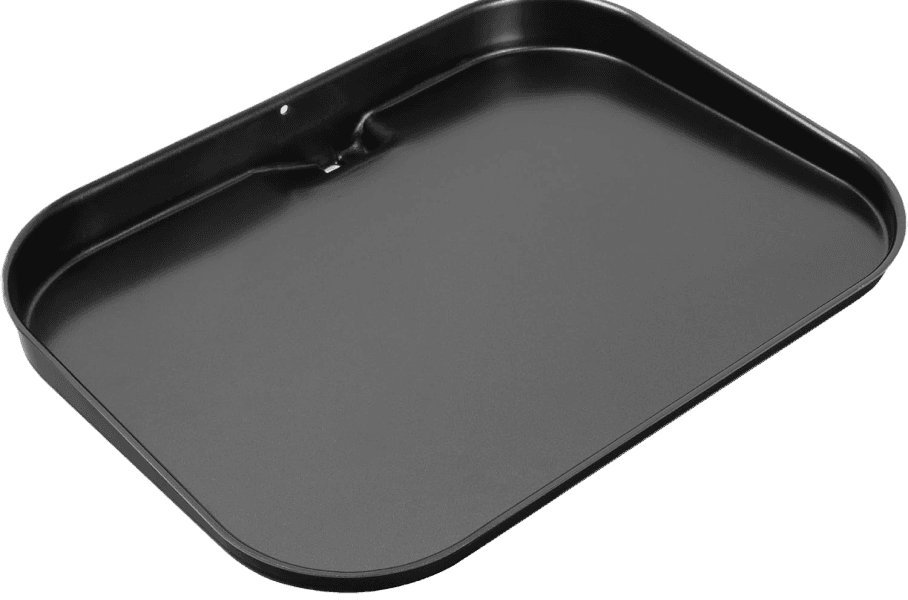
Drip tray
Glass
Storage space for keep bottles
Anti slippery surface
Removable tray - stainless steel
easy to clean surface.

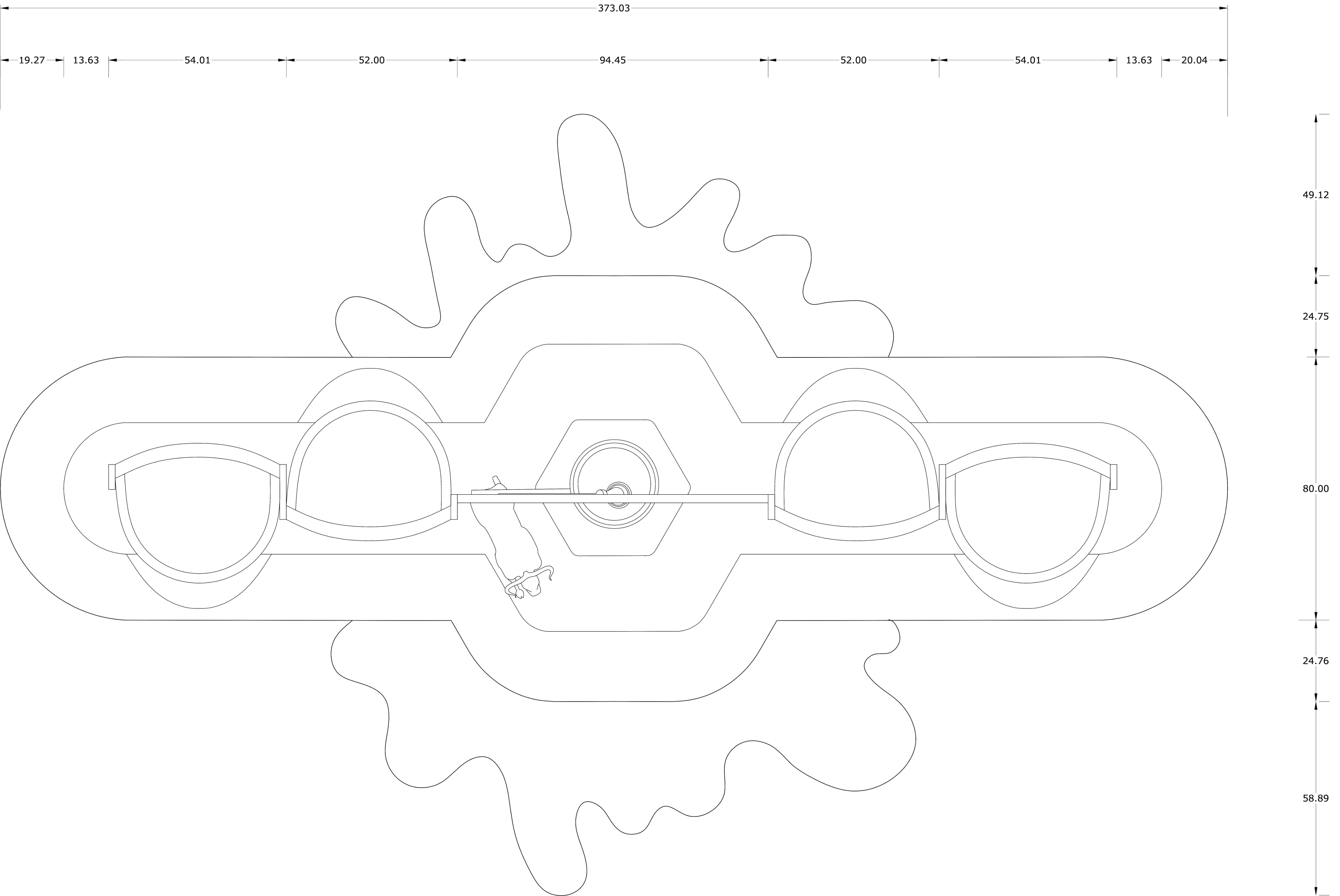
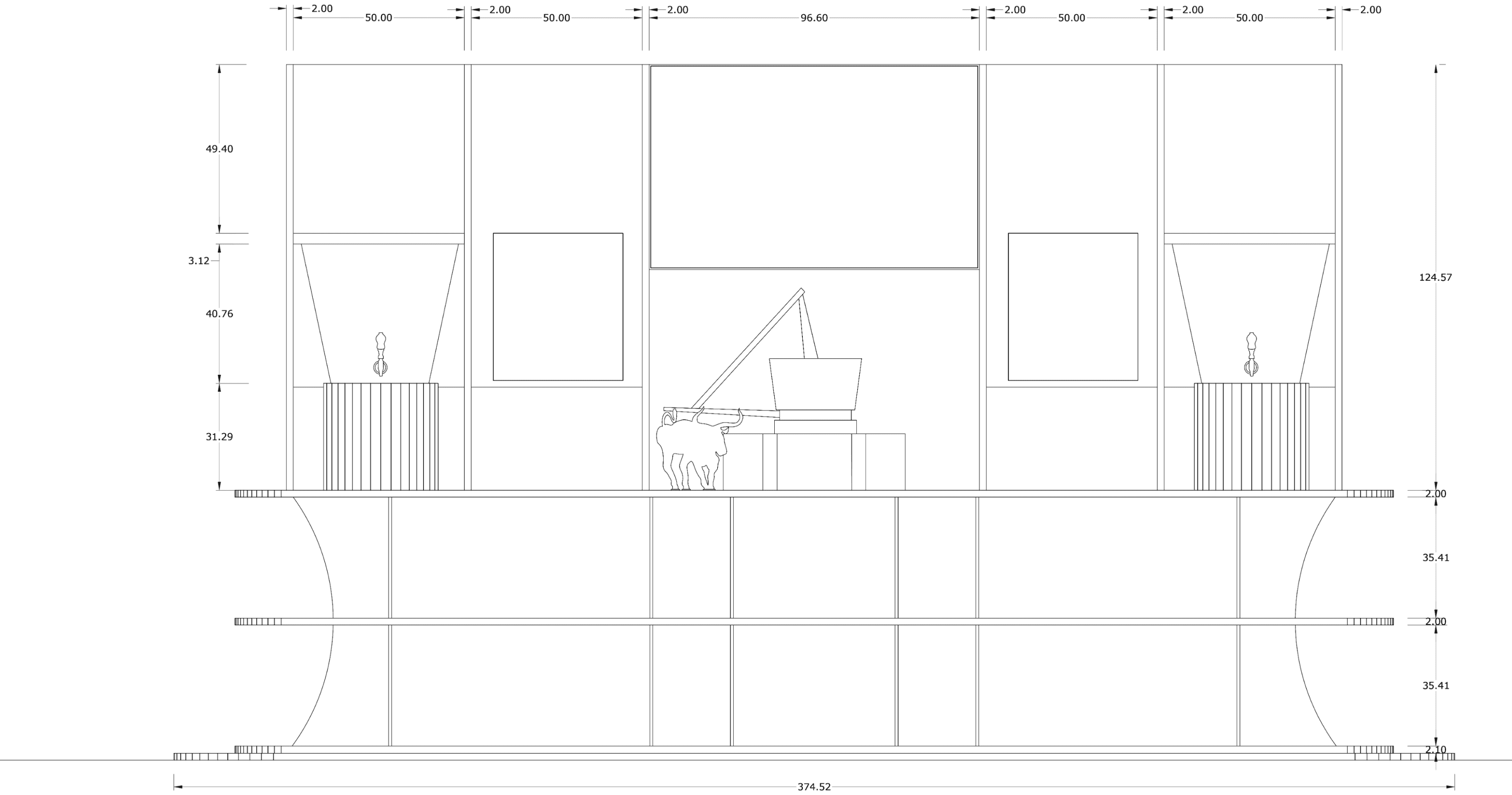
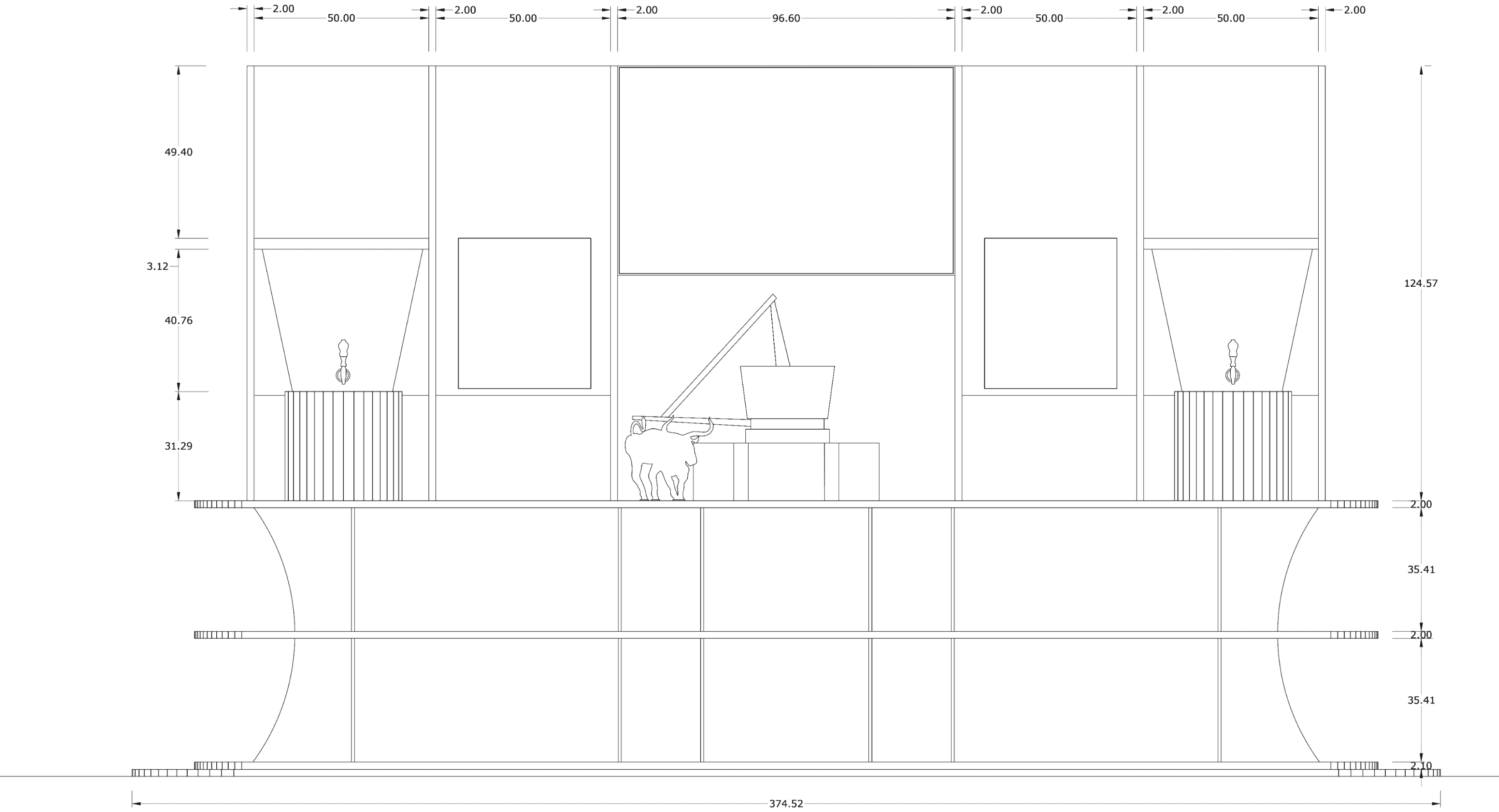
Technical Drawings
PLAN
FRONT ELEVATION
SIDE ELEVATION
All dimensions are in cm
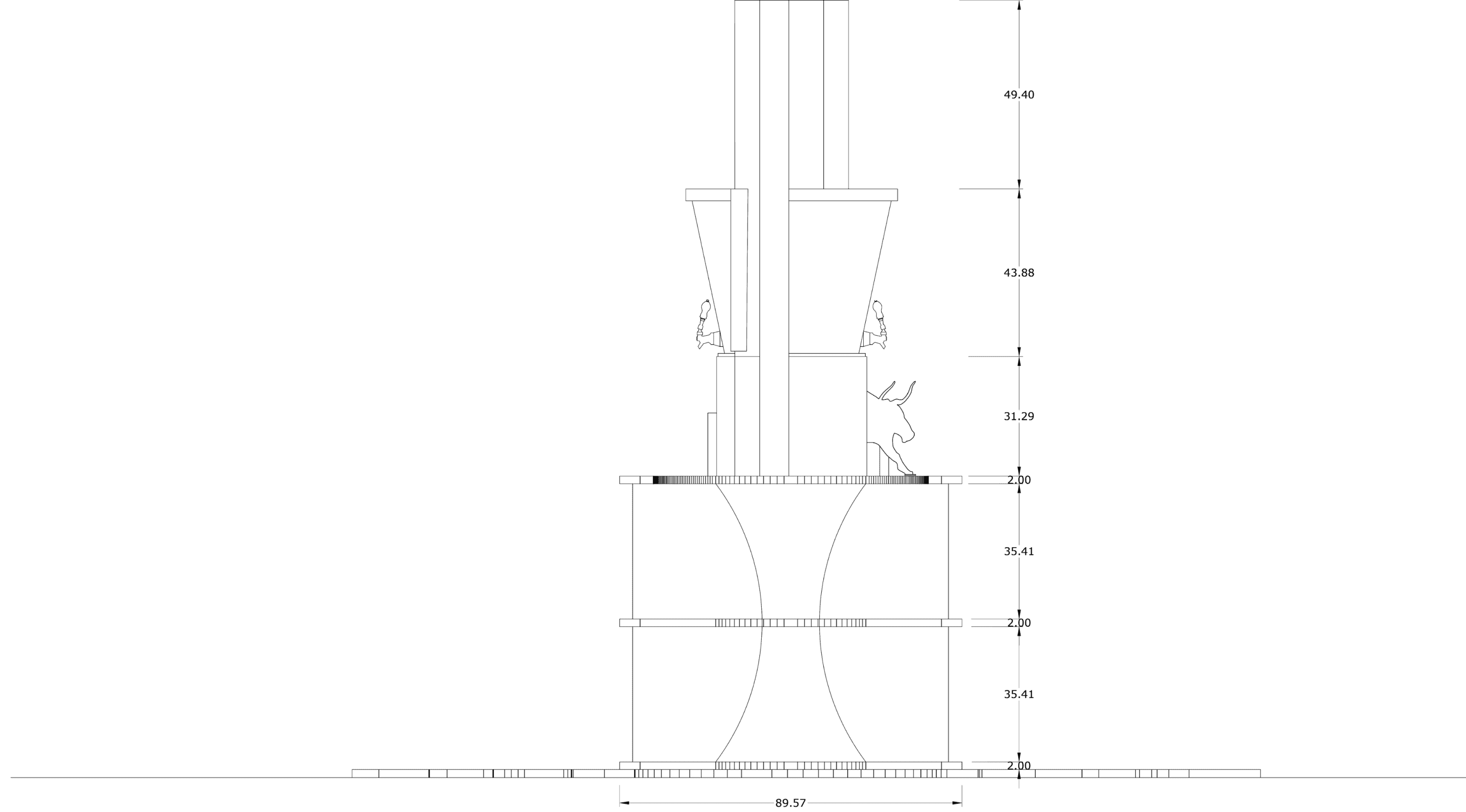
PLAN
FRONT ELEVATION
SIDE ELEVATION
All dimensions are in cm
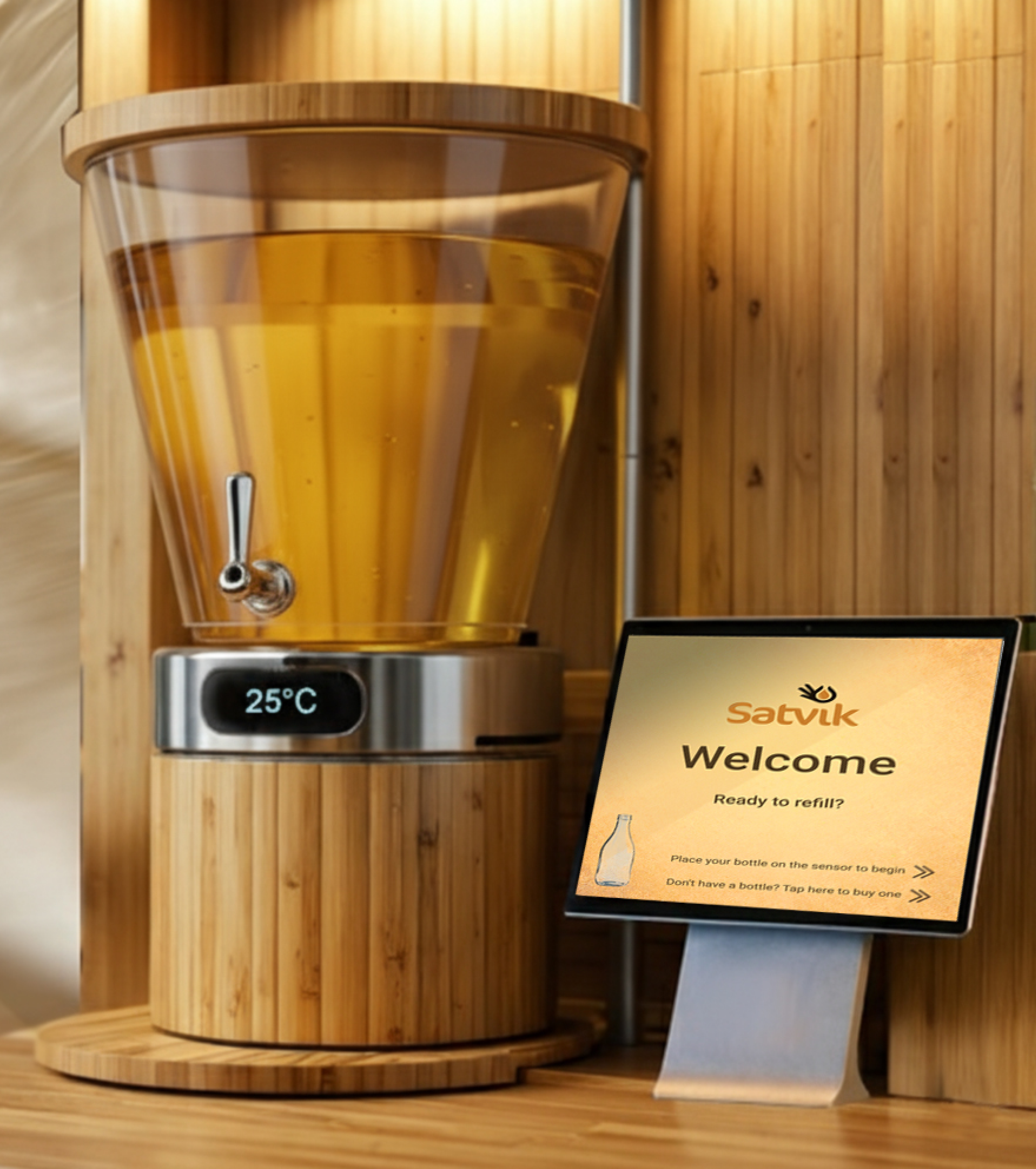
Temperature Management System
Prevents Solidification
Prevents Clogging
Consistent Flow Rate
Accurate Measurement
Optimal Pouring Experience
No Waiting Time
Prevents Crystallization/Granulation
Aesthetic Appeal
Easier Cleaning
Extended Component Lifespan
Ensuring Dispensing Consistency & Functionality
Maintaining Product Quality & User Experience
Hygienic and Operational Efficiency
The Digital Interface & User Flow
Refining the step-by-step customer journey on the screen.
Visualizing Navigation
Customer approaches station
Pay for the Bottle
Place the bottle on the sensor
Buy Bottle
Buy Bottle
Refill
New User
Collect the empty bottle from the dispencery
Returning User
Forgetful User
User Flow
All done! Thankyou (Eco - message)
Screen 2
Select oil type
Screen 2
Pay for Bottle
Action: Place
bottle on sensor
Action: Place
bottle on sensor
Screen 1
Welcome
(Tap to refill or buy bottle)
Screen 3
Select quantity
Screen 4
Payment gateway
Screen 5
Dispensing oil...
(Physical dispense)
End
Start
Action :Remove bottle
No
No
Yes
Yes
Tap “Refill”
Tap “Refill”
Payment Successful ?
Payment Successful ?